


Understanding Electrical Inspections for Safer Homes
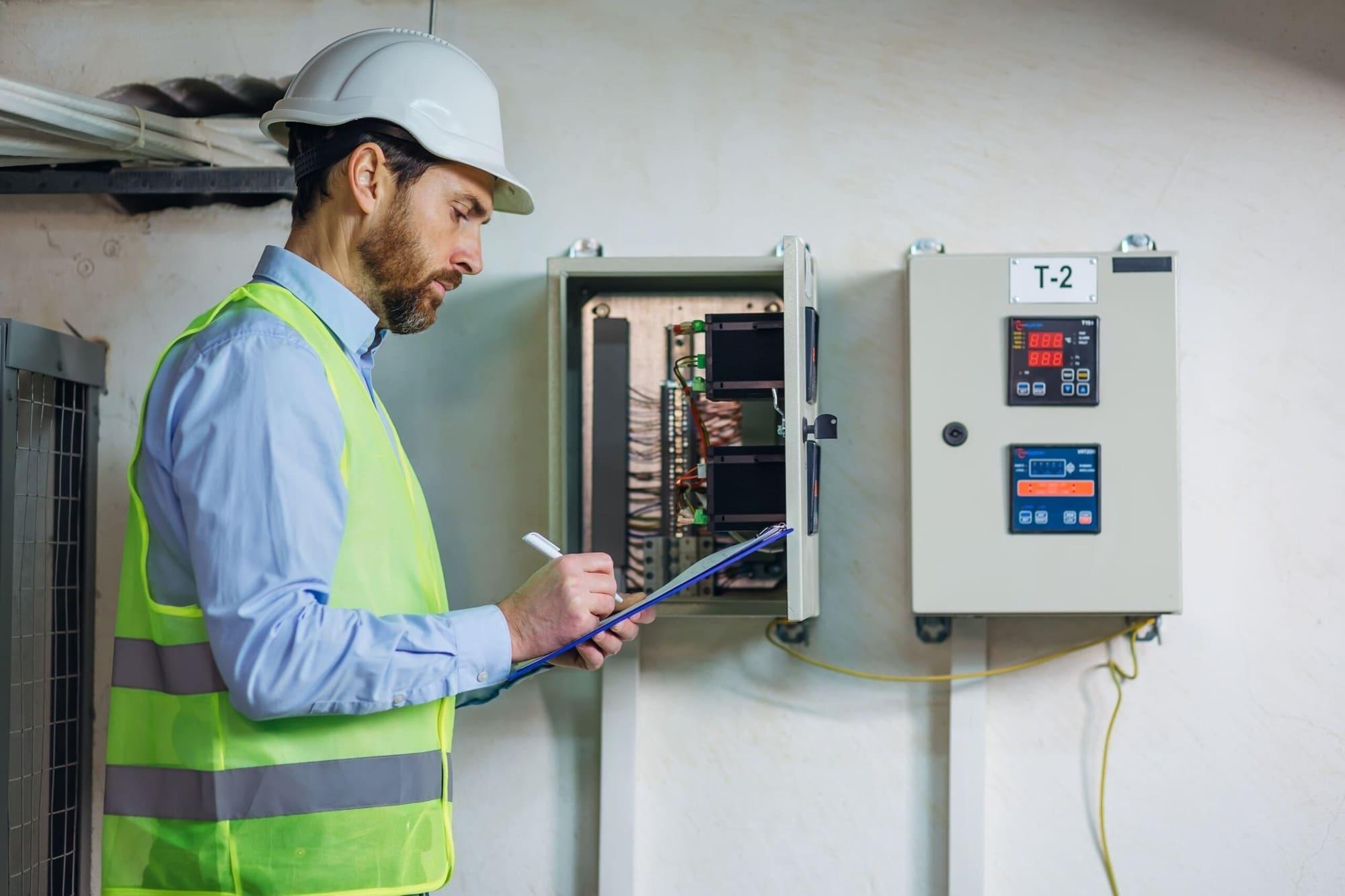
Why Electrical Inspections Matter
A home's electrical system supports lighting, appliances, heating equipment, and many everyday activities. Over time, wiring, outlets, circuit breakers, and other components can deteriorate or become unsuitable for changing household needs. Regular inspections help identify visible concerns, recognize potential safety hazards, and determine whether repairs or further evaluation are necessary before problems become more serious.
Recognizing Common Electrical Warning Signs
Flickering lights, frequently tripped breakers, warm outlets, buzzing sounds, and unusual burning odors can indicate electrical problems. These symptoms may result from loose connections, overloaded circuits, damaged wiring, or faulty equipment. Homeowners should never ignore recurring warning signs or attempt repairs without appropriate knowledge. If there is smoke, a burning smell, or visible sparking, leave the affected area and contact emergency services or a qualified electrician as appropriate.
What a Professional Electrical Inspection Covers
Professional Electrical System Inspection Services in Rochester NY can help evaluate the condition and visible safety of a home's electrical components. Depending on the inspection scope and accessibility, an inspector may examine the electrical panel, circuit breakers, outlets, switches, grounding, and visible wiring. The inspection can identify concerns such as damaged components, improper connections, or apparent capacity limitations that may require further assessment by a licensed electrician.
Examining the Electrical Panel
The electrical panel distributes power throughout the home and provides circuit protection. During an inspection, the panel may be checked for visible damage, signs of overheating, improper labeling, corrosion, and other concerning conditions. Inspectors may also review whether breakers appear appropriate for the circuits they serve. Some issues require opening equipment or conducting specialized electrical testing, which should be performed only by qualified professionals with the proper training and authorization.
Checking Outlets, Switches, and Wiring
Outlets and switches receive frequent use, making them important areas to evaluate. Loose receptacles, cracked covers, exposed wiring, and damaged switches can create safety concerns. An inspection may also identify missing protective devices in locations where current electrical requirements call for them. Visible wiring should be checked for deterioration, improper routing, or signs of previous damage, although concealed wiring cannot always be fully evaluated without additional investigation.
Understanding Electrical Safety in Older Homes
Older properties may contain electrical systems that were designed for lower household power demands. Modern appliances, computers, heating equipment, and charging devices can place additional demands on existing circuits. Older wiring types, outdated panels, and previous modifications may also require closer attention. An inspection can help homeowners understand the condition of accessible components and identify areas where an electrician should evaluate potential upgrades or repairs.
Coordinating Electrical Findings With a Home Inspection
A broader property evaluation may reveal electrical concerns alongside issues involving plumbing, roofing, ventilation, or structural components. Working with Trusted Home Inspectors in Rochester NY can help buyers and homeowners understand how electrical observations fit into the overall condition of a property. A home inspection provides useful information, but it does not replace specialized electrical testing or repairs by a licensed electrician when detailed diagnosis is needed.
Preparing for an Electrical Inspection
Homeowners can make an inspection more productive by providing access to the electrical panel, visible outlets, utility areas, and other relevant components. They should also share information about recurring problems, previous repairs, renovations, and unusual electrical behavior. Avoid removing panel covers or handling wiring to prepare for the appointment. Keeping records of electrical upgrades and available permits can also help clarify the system's history.
Understanding Inspection Reports and Recommendations
An inspection report should clearly describe observed conditions, their potential significance, and any recommended next steps. Some findings may involve routine maintenance, while others may warrant prompt evaluation by an electrician. Homeowners should ask questions when a recommendation is unclear and distinguish between visible concerns and conditions that could not be inspected. Prioritizing significant safety issues helps ensure that important repairs are addressed before less urgent improvements.
Maintaining a Reliable Electrical System
Electrical maintenance includes using appliances according to their ratings, avoiding overloaded extension cords, and arranging repairs when warning signs appear. Homeowners should also test installed smoke and carbon monoxide alarms according to manufacturer instructions and applicable safety guidance. If renovations or new appliances increase electrical demand, an electrician can assess whether existing circuits and equipment remain suitable for the planned use.
Making Informed Decisions About Electrical Safety
An electrical inspection provides valuable insight into a home's visible electrical condition and helps identify concerns that deserve attention. Understanding the inspection's scope, reviewing findings carefully, and arranging qualified repairs when needed can support safer and more dependable operation. By combining periodic evaluations with responsible electrical use and timely maintenance, homeowners can better protect their property and maintain confidence in their home's electrical system.

 English