


Understanding Custom Aluminum Welding for Lasting Strength
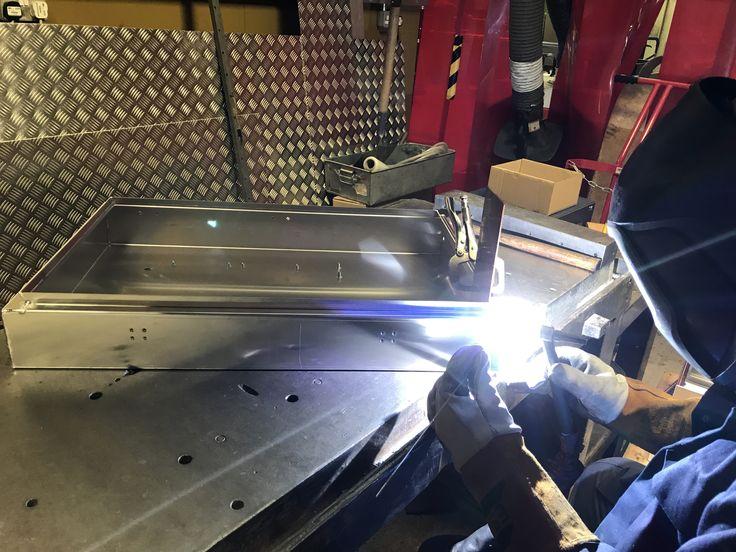
The Importance of Aluminum Welding
Aluminum is widely used in construction, manufacturing, transportation, and architectural projects because it is lightweight, corrosion-resistant, and versatile. However, joining aluminum requires specialized knowledge and careful control of heat. Its properties differ from those of steel, making proper preparation and technique essential. Quality welding helps create strong connections, maintain dimensional accuracy, and produce finished components suited to their intended applications.
Understanding Custom Aluminum Welding Needs
Custom Aluminum Welding Services Chicago IL can help businesses, contractors, and property owners create or repair metal components designed for specific requirements. Projects may include frames, brackets, railings, equipment parts, supports, and custom-fabricated assemblies. Each application has different strength, appearance, and dimensional needs. Discussing the intended use, operating conditions, measurements, and material specifications before fabrication helps establish a suitable approach and reduces the likelihood of costly adjustments later.
Why Aluminum Requires Specialized Techniques
Aluminum conducts heat efficiently and develops an oxide layer that melts at a much higher temperature than the underlying metal. These characteristics can make welding more challenging than working with some other metals. Proper cleaning, joint preparation, filler selection, and heat management are therefore important. Welders must also account for distortion and the possibility of defects when choosing the process and settings for a particular component.
Common Aluminum Welding Methods
Several welding processes can be used for aluminum, depending on the material thickness, project design, and required finish. Gas tungsten arc welding, commonly called TIG welding, offers precise control and is often selected for detailed work or clean visible joints. Gas metal arc welding, known as MIG welding, can be efficient for many fabrication tasks. The best method depends on the project's specifications rather than a single technique being suitable for every application.
Preparing Aluminum for a Reliable Weld
Preparation plays a major role in the quality of a finished joint. Dirt, grease, paint, and surface oxides can interfere with the welding process and contribute to defects. The material should be cleaned using suitable methods, and components must be accurately positioned before welding begins. Correct joint fit-up helps maintain alignment and reduces unnecessary gaps. Proper preparation also supports consistent results across assemblies that require multiple welds.
Applications Across Commercial and Industrial Projects
Welding Services Chicago IL can support a broad range of metalworking needs, from equipment repairs to the fabrication of custom structures. Aluminum may be used in machine components, transportation equipment, display structures, access platforms, protective enclosures, and architectural features. Its relatively low weight can be beneficial where reducing overall load matters. The design must still account for expected forces, vibration, exposure conditions, and the mechanical properties of the selected alloy.
Custom Fabrication and Accurate Measurements
Custom welding projects often begin with a drawing, sketch, sample component, or detailed set of measurements. Accurate dimensions help ensure that fabricated parts fit their intended locations and connect properly with existing structures. Depending on the project, fabrication may involve cutting, bending, drilling, shaping, and assembling aluminum before welding. Reviewing measurements and design requirements early helps limit material waste and reduces the risk of fitment problems during installation.
Inspection and Quality Control
A finished weld should be assessed according to the component's intended function and applicable requirements. Visual inspection can identify surface irregularities, visible cracks, incomplete areas, and other concerns. More demanding applications may require additional inspection methods or documented procedures. Welding quality is particularly important for components that carry loads or operate under repeated stress. Suitable inspection helps confirm that the completed work meets the project's established acceptance criteria.
Choosing the Right Welding Professional
When comparing welding providers, consider their experience with aluminum alloys, project complexity, and the type of finish required. Ask whether they can work from drawings, produce custom components, repair existing parts, and accommodate the required dimensions. It is also useful to discuss material sourcing, expected turnaround, inspection procedures, and project costs. Clear estimates and communication help establish realistic expectations before work begins.
Maintaining Welded Aluminum Components
Although aluminum naturally forms a protective oxide layer, welded components still benefit from regular inspection and appropriate maintenance. Check for corrosion, cracks, loose connections, deformation, or signs of excessive wear, particularly in demanding environments. Keep components clean and address damage promptly. If a welded part supports a load or performs a safety-critical function, repairs should be assessed by a qualified professional rather than handled through improvised patching.
Planning a Successful Aluminum Welding Project
Successful aluminum welding depends on selecting appropriate materials, preparing surfaces carefully, applying suitable techniques, and checking the finished work. Businesses and property owners can improve project outcomes by sharing accurate specifications and explaining how each component will be used. Whether the goal is to fabricate a new assembly or restore a damaged part, careful planning and skilled workmanship help produce dependable results that support long-term performance.

 English