


Appliance Repair vs. Replacement: How to Compare Costs, Age, Efficiency, and Reliability
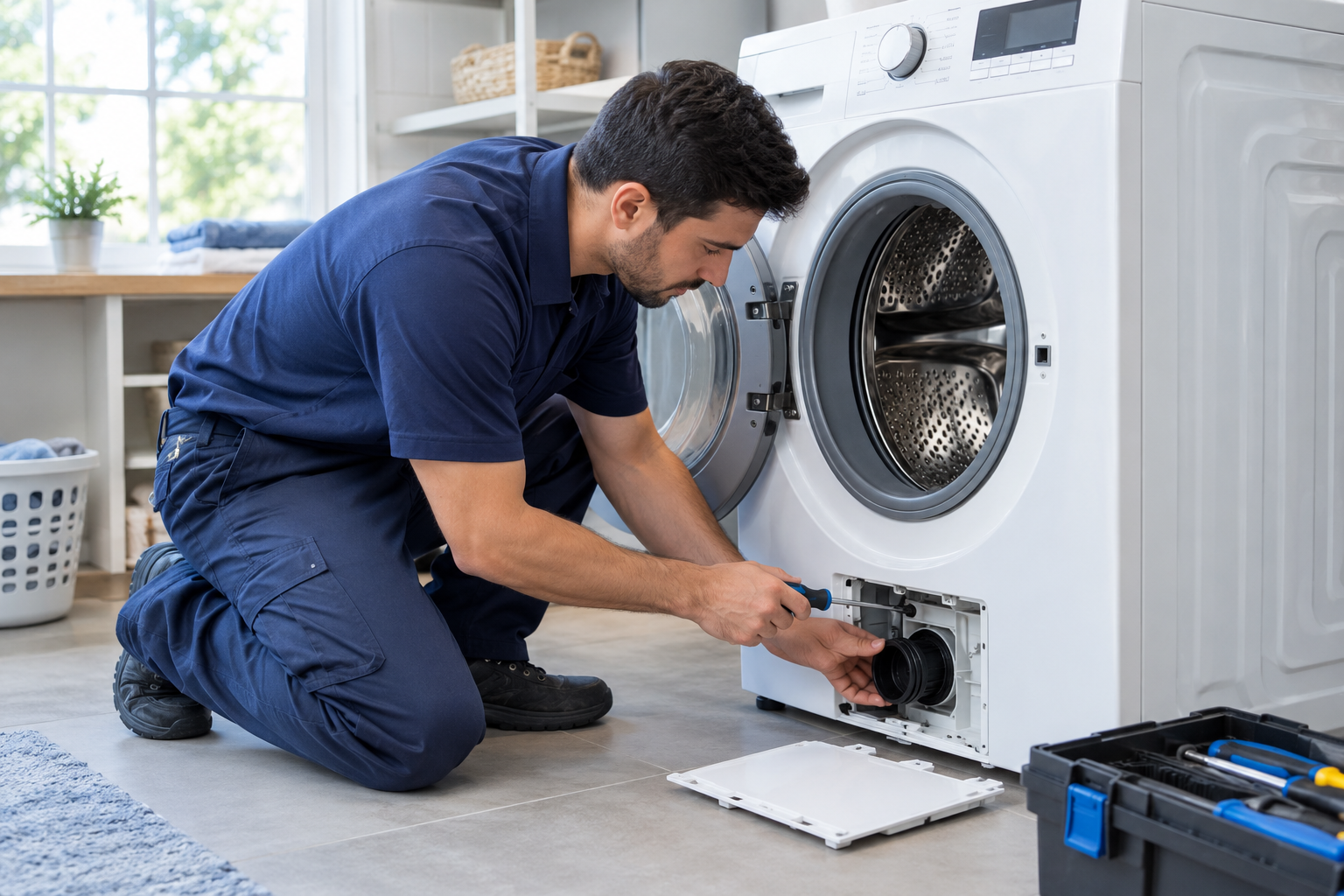
When a household appliance stops working properly, homeowners often face a difficult decision: should they repair the existing unit or invest in a replacement? Refrigerators, washing machines, dishwashers, ovens, and air conditioners can represent significant household expenses, so making the right choice requires more than comparing the immediate repair bill with the purchase price of a new appliance. Considering the appliance's age, energy efficiency, reliability, and expected remaining lifespan can help homeowners make a practical and financially responsible decision.
Understanding the Main Factors Behind Repair and Replacement Decisions
Choosing between repairing and replacing an appliance depends on several factors, including the severity of the fault, the availability of replacement parts, the equipment's overall condition, and its operating costs. A minor problem, such as a damaged door seal or clogged drain filter, may be relatively inexpensive to resolve. However, a major compressor failure or repeated electronic malfunction may make replacement worth considering.
Before making a final decision, homeowners should compare available repair options with the long-term benefits of purchasing new equipment. Obtaining a professional diagnosis, reviewing repair estimates, and checking warranty coverage can clarify the situation. This approach helps avoid unnecessary spending while making it easier to determine whether the existing appliance can continue operating safely and efficiently.
Comparing Repair Costs With Replacement Expenses
The upfront cost of a repair is often the first consideration. However, the lowest immediate expense does not always represent the best long-term value. Homeowners should consider labor charges, replacement parts, diagnostic fees, delivery costs, installation expenses, and the possibility of additional repairs.
For example, replacing a worn washing machine belt or a faulty refrigerator fan may be much less expensive than buying a new appliance. In contrast, repeated repairs involving expensive components can gradually approach the cost of replacement, particularly when the appliance is already nearing the end of its expected service life.
A useful approach is to request an itemized estimate and compare it with the total cost of replacing the appliance. Include any applicable warranties, installation requirements, and disposal fees. It is also worth asking whether the proposed repair addresses the underlying cause of the problem or simply restores temporary operation.
How Appliance Age Influences Your Decision
Age can provide valuable context when evaluating an appliance, although it should not be the only deciding factor. Different appliances have different expected service lives, and actual longevity depends on usage, maintenance, build quality, and operating conditions.
A relatively new appliance with an isolated component failure may be a strong candidate for repair, especially if it remains under warranty. An older appliance that experiences frequent breakdowns may require a more careful cost-benefit assessment.
Homeowners should review the manufacturer's recommendations, check the model's service history, and determine whether replacement parts remain available. An appliance that has been maintained consistently may continue performing well beyond its typical expected lifespan, while a poorly maintained unit may develop problems much earlier.
Evaluating Energy Efficiency and Operating Costs
Energy efficiency can significantly influence the overall cost of owning an appliance. Older refrigerators, washing machines, dryers, and air conditioners may consume more electricity or water than newer, appropriately sized models. If an appliance operates frequently, even a modest efficiency improvement can contribute to savings over time.
Before replacing equipment solely to reduce energy consumption, compare the existing unit's estimated usage with the expected performance of the replacement. Energy labels, manufacturer specifications, and available utility information can help provide a realistic comparison.
A replacement appliance may offer lower operating costs, but those savings should be considered alongside its purchase price and installation expenses. Calculate the likely annual savings and estimate how long it would take for those savings to offset the additional cost. If the payback period is longer than the appliance's likely remaining useful life, replacement may not provide the financial benefit expected.
Assessing Reliability and the Risk of Future Breakdowns
Reliability matters because an appliance that repeatedly fails can create inconvenience, unexpected expenses, and potential damage to the home. A refrigerator that cannot maintain a safe temperature, for example, may put stored food at risk. A leaking washing machine can damage flooring, while a malfunctioning oven may create safety concerns.
Reviewing the appliance's repair history can reveal whether the current problem is isolated or part of a recurring pattern. Repeated failures involving different components may suggest broader wear, although a qualified technician should assess the equipment before a decision is made.
It is also important to consider parts availability and warranty coverage. If a repair is likely to restore dependable operation and includes a meaningful parts or labor warranty, keeping the appliance may be sensible. If repairs are becoming increasingly frequent and parts are difficult to obtain, replacement may offer greater predictability.
When Repairing an Appliance Makes More Sense
Repair is often a reasonable choice when the appliance is relatively new, the fault is limited, and the estimated cost is substantially lower than replacement. It can also be attractive when the unit has performed reliably for years and the repair addresses a clearly identified problem.
Examples may include replacing a damaged washing machine inlet valve, repairing a refrigerator door seal, or addressing a dishwasher drainage issue caused by a blocked filter or faulty pump. The appropriate solution depends on the actual diagnosis rather than the symptom alone.
Before approving work, homeowners should ask for a clear explanation of the fault, the proposed repair, the total estimated cost, and any warranty on the work performed. These details make it easier to judge whether the repair represents good value.
When Replacing an Appliance May Be the Better Choice
Replacement may be more practical when an appliance has multiple significant faults, requires repeated expensive repairs, or has become inefficient compared with available alternatives. Safety concerns can also make replacement necessary when the equipment cannot be repaired reliably or economically.
For instance, an older air conditioner with persistent cooling problems may require expensive work on its compressor or refrigeration system. If it also consumes substantial energy, a newer model could provide better performance and lower operating costs. Nevertheless, the decision should be based on a professional diagnosis and realistic cost estimates.
When comparing replacement models, consider energy consumption, capacity, repairability, warranty terms, parts availability, and expected maintenance requirements. Selecting a model that suits the household's actual needs can help avoid paying for unnecessary features or excessive capacity.
A Practical Method for Making the Final Decision
A structured comparison can help homeowners make a confident decision without relying on guesswork.
Start by identifying the appliance's exact problem and obtaining a repair estimate. Next, check its age, maintenance history, warranty status, and overall condition. Compare the repair cost with the total replacement expense, including delivery and installation. Then estimate differences in energy and water consumption, where relevant, and consider how dependable the appliance is likely to be after the repair.
Finally, weigh convenience and safety alongside financial considerations. An appliance that is essential to daily household activities may justify a faster replacement decision if repairs will take a long time or reliable parts are unavailable.
There is no universal rule that determines the correct choice for every household. A well-maintained older appliance may remain worth repairing, while a newer unit with extensive damage may be uneconomical to restore.
Conclusion
Deciding whether to repair or replace a household appliance requires a balanced assessment of cost, age, efficiency, and reliability. Repairs can be cost-effective when the problem is limited and the equipment has substantial useful life remaining. Replacement may be more appropriate when major faults, repeated breakdowns, safety concerns, or high operating costs make continued ownership less practical.
By obtaining an accurate diagnosis, comparing complete costs, and considering long-term performance, homeowners can make informed decisions that protect their budgets and household convenience. A thoughtful evaluation helps ensure that the chosen solution delivers dependable performance and reasonable value over time.

 English