


Peyronie’s Disease: Causes, Symptoms, Treatment Options, and Recovery
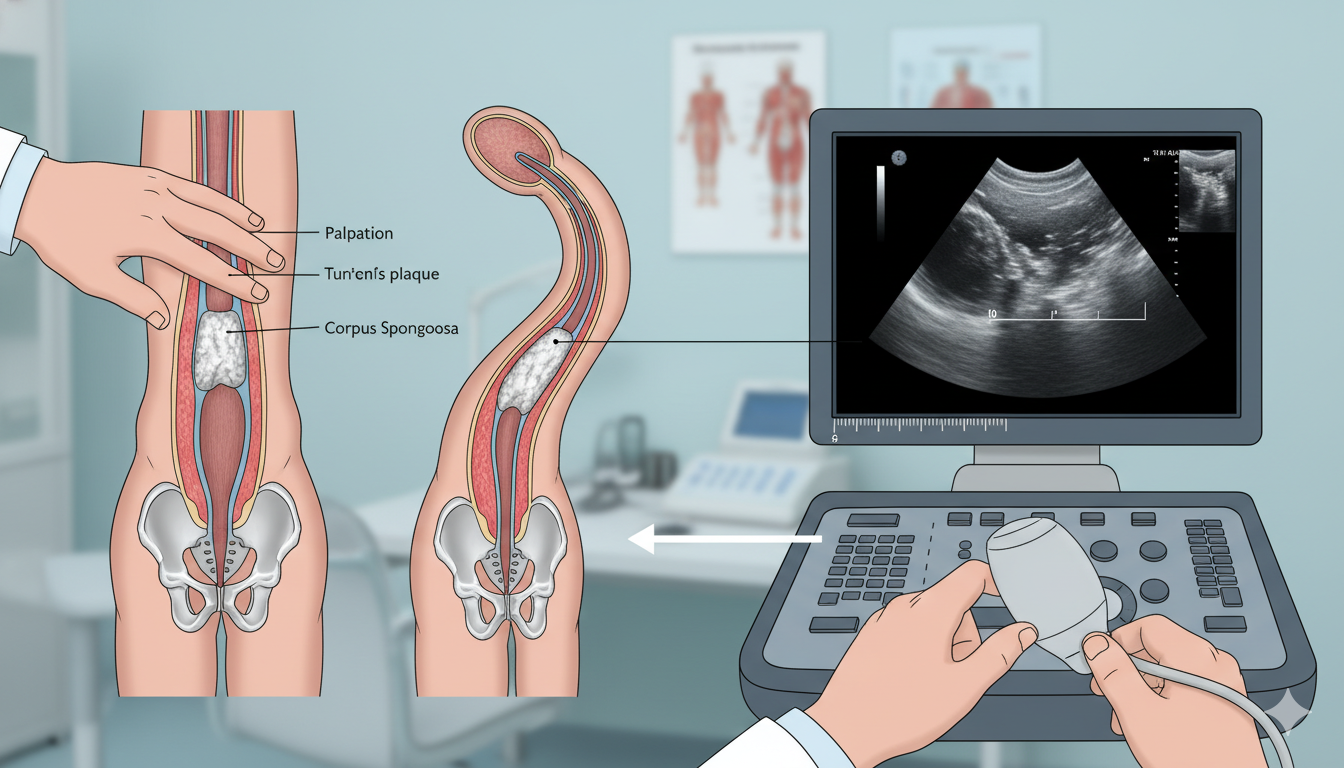
Peyronie’s disease is a condition that affects the penis and can cause it to bend or curve during an erection. It develops when scar tissue, known as plaque, forms beneath the skin of the penis. This tissue is usually less flexible than normal penile tissue, which can lead to curvature, discomfort, difficulty with sexual activity, and sometimes erectile dysfunction (ED).
Although the condition can be physically and emotionally challenging, effective treatment options are available. The right approach depends on the severity of the curvature, the presence of pain, erectile function, and whether the condition is still changing or has become stable.
Understanding Peyronie’s disease can help men recognize its symptoms, seek medical advice early, and make informed decisions about treatment.
What Is Peyronie’s Disease?
Peyronie’s disease is a connective tissue disorder in which fibrous scar tissue develops inside the penis, usually within the tunica albuginea, the strong layer surrounding the erectile chambers.
During an erection, healthy penile tissue expands evenly. However, scar tissue does not stretch in the same way. As a result, the affected area may remain shorter or less flexible, causing the penis to curve toward the side where the plaque is located.
The curvature may be upward, downward, or sideways. Some men also notice narrowing, indentation, or an hourglass-shaped appearance.
Peyronie’s disease is not a sexually transmitted infection, and it is not cancer. It is also not contagious.
Common Symptoms of Peyronie’s Disease
Symptoms can vary considerably from one person to another. Some men experience mild changes, while others develop significant curvature or difficulty with intercourse.
Common symptoms include:
-
Penile curvature: The penis bends noticeably during an erection.
-
Hard lumps or plaques: Firm areas may be felt beneath the penile skin.
-
Painful erections: Discomfort can occur during erections, particularly in the early stage.
-
Penile shortening: Some men notice a reduction in erect penile length.
-
Indentation or narrowing: The penis may develop a narrow section or an hourglass appearance.
-
Erectile dysfunction: Some men experience difficulty achieving or maintaining an erection.
-
Sexual difficulties: Curvature or pain may make intercourse uncomfortable or difficult.
Not every man experiences all these symptoms. A healthcare professional can assess the condition and determine whether treatment is necessary.
What Causes Peyronie’s Disease?
The exact cause of Peyronie’s disease is not fully understood. However, researchers believe that abnormal wound healing plays an important role.
Repeated minor injuries to the penis may trigger inflammation and scar tissue formation in susceptible individuals. These injuries can sometimes happen during sexual activity, sports, or other physical activities without being immediately noticed.
Potential contributing factors include:
1. Penile Injury
An injury during sexual activity or physical activity may damage the tissue inside the penis. In some men, the healing process produces excessive scar tissue.
2. Abnormal Wound Healing
The body normally repairs injured tissue through a controlled healing process. In Peyronie’s disease, this process may become abnormal, resulting in fibrous plaque formation.
3. Genetic Factors
Some men may have an inherited tendency to develop fibrous tissue conditions. Peyronie’s disease is also associated with certain connective tissue disorders.
4. Age-Related Changes
The condition becomes more common with increasing age, although younger men can also develop it.
5. Associated Health Conditions
Peyronie’s disease is associated with conditions such as diabetes, erectile dysfunction, and Dupuytren’s contracture, which causes thickening of tissue in the palm of the hand.
Having one of these risk factors does not mean a person will necessarily develop Peyronie’s disease.
Stages of Peyronie’s Disease
Peyronie’s disease generally progresses through two stages: the active phase and the stable phase.
Active Phase
During the active phase, symptoms may change over time. The curvature can become more noticeable, penile pain may occur, and plaque formation may continue.
This phase can last several months or longer. Treatment during this period focuses on managing symptoms, monitoring changes, and evaluating suitable treatment options.
Stable Phase
In the stable phase, the curvature and other physical changes have stopped progressing. Pain often decreases or disappears, although the curvature may remain.
Surgical treatment is generally considered when the condition has become stable and continues to interfere with sexual function.
How Is Peyronie’s Disease Diagnosed?
A urologist usually diagnoses Peyronie’s disease through a medical history and physical examination. The doctor may ask about the onset of symptoms, changes in penile curvature, pain, erectile function, and any previous injuries.
Diagnostic methods may include:
Physical Examination: The doctor examines the penis for palpable plaques, hardened areas, and other structural changes.
Erection Photographs: Photographs of an erection taken from different angles may help the doctor understand the direction and severity of curvature.
Penile Ultrasound: Ultrasound can help identify plaques, assess tissue structure, and evaluate blood flow when necessary.
Medical History: Information about existing health conditions, medications, and sexual symptoms helps guide diagnosis and treatment.
An accurate assessment is important because treatment should be based on the patient's individual symptoms and functional needs.
Treatment Options for Peyronie’s Disease
There is no single treatment suitable for every patient. Some men with mild symptoms may only require observation, while others may benefit from injections, mechanical treatments, or surgery.
The main goal is to reduce pain when present, improve penile function, and make sexual activity more comfortable.
1. Observation and Monitoring
Men with mild curvature, little or no pain, and no difficulty with sexual activity may not need immediate treatment.
Regular follow-up appointments can help monitor whether the curvature is progressing or has become stable.
2. Medication for Associated Symptoms
Some medications may help manage pain or erectile dysfunction. However, oral medications have not been reliably shown to remove established Peyronie’s plaques or reverse significant penile curvature.
Treatment for ED may include prescription medications such as phosphodiesterase type 5 inhibitors when medically appropriate. These medicines improve erectile function but do not directly eliminate scar tissue.
3. Collagenase Injections
Collagenase injections may be an option for selected men with suitable plaque characteristics and penile curvature.
The medication works by breaking down collagen within the plaque. Treatment is administered by a trained healthcare professional and may involve multiple treatment visits and a prescribed penile modelling programme.
Availability and regulatory approval vary by country. Potential complications include bruising, swelling, pain, and, rarely, serious penile injury.
4. Other Plaque Injections
Depending on local availability and clinical circumstances, specialists may discuss other injectable treatments, such as verapamil or interferon.
The supporting evidence varies, and these treatments should only be considered after discussing their potential benefits, limitations, and risks with a urologist.
5. Penile Traction Therapy
Penile traction devices apply controlled stretching to the penis over a prescribed period.
Some clinical evidence suggests that traction therapy may help selected patients improve curvature or preserve penile length. Results vary, and correct device selection and consistent use are important.
Patients should receive professional guidance before beginning treatment.
6. Vacuum Erection Devices
Vacuum erection devices use negative pressure to draw blood into the penis and produce an erection.
They may help some men with erectile difficulties and can be considered as part of an individualized treatment plan. However, they are not a proven cure for Peyronie’s disease or a reliable method of removing plaques.
7. Shockwave Therapy
Low-intensity shockwave therapy has been investigated for Peyronie’s disease. Some studies suggest it may help reduce penile pain, but it has not been shown reliably to correct curvature or eliminate scar tissue.
Patients should be cautious about claims that shockwave therapy can permanently straighten the penis.
Surgical Treatment for Peyronie’s Disease
Surgery may be recommended when the curvature is severe, the condition is stable, and sexual intercourse remains difficult despite other treatments.
The choice of surgery depends on penile length, curvature severity, erectile function, and the patient's expectations.
Penile Plication Surgery
Plication involves shortening the longer side of the penis to reduce the bend and create a straighter erection.
It is often considered for men with adequate penile length and good erectile function. A possible disadvantage is some loss of penile length.
Plaque Incision or Excision With Grafting
In selected cases, the surgeon may make an incision in the scar tissue or remove part of the plaque and use a graft to repair the affected area.
This approach may be considered for more complex curvature or significant deformity. It carries risks, including erectile dysfunction, altered sensation, and changes in penile length.
Penile Prosthesis Surgery
For men who have Peyronie’s disease together with erectile dysfunction that does not respond adequately to medication or other nonsurgical treatments, penile prosthesis surgery may be an option.
An inflatable or malleable implant is placed inside the penis to provide rigidity. Additional straightening procedures may be performed when necessary.
A specialist should explain the expected outcomes and potential complications before surgery.
Can Peyronie’s Disease Be Cured?
Peyronie’s disease can often be managed successfully, but complete reversal is not guaranteed.
In some men, pain and curvature improve over time. In others, the curvature remains even after the active phase ends.
Treatment may improve penile alignment, erectile function, and sexual comfort. However, established scar tissue can be difficult to reverse without an appropriate medical intervention.
The best results depend on an accurate diagnosis, realistic expectations, and selecting treatment according to the stage and severity of the condition.
Can Peyronie’s Disease Affect Sexual Health?
Yes. Peyronie’s disease can affect sexual health in several ways.
Penile curvature may make penetration difficult, while painful erections can reduce sexual comfort. Some men also develop erectile dysfunction or experience anxiety about sexual performance and body image.
Open communication with a partner and consultation with a qualified healthcare professional can help address these concerns.
When ED is present, it should be evaluated and treated separately as part of the overall management plan.
Lifestyle and Self-Care Recommendations
Lifestyle changes cannot remove Peyronie’s plaques, but general health measures may support sexual health and overall well-being.
Consider the following recommendations:
-
Avoid activities that cause penile injury or excessive bending.
-
Follow medical instructions when using traction or vacuum devices.
-
Manage diabetes, high blood pressure, and other chronic conditions.
-
Avoid smoking to support vascular health.
-
Maintain a healthy weight and remain physically active.
-
Discuss persistent pain, curvature, or erectile problems with a urologist.
-
Avoid unverified creams, supplements, and home remedies marketed as cures.
Do not attempt to forcefully straighten the penis or massage a plaque aggressively, as this may cause further injury.
When Should You See a Doctor?
Consult a urologist if you notice a new penile curve, a hard lump, painful erections, penile shortening, or difficulty with sexual activity.
Early assessment can help identify the condition, rule out other causes, and establish whether monitoring or treatment is appropriate.
Seek urgent medical attention if you experience a sudden popping sensation during an erection followed by severe pain, rapid loss of erection, swelling, or bruising. These symptoms may indicate a penile fracture, which is a medical emergency rather than typical Peyronie’s disease.
Frequently Asked Questions About Peyronie’s Disease
1. Is Peyronie’s disease dangerous?
Peyronie’s disease is generally not life-threatening and is not cancer. However, it can cause pain, penile deformity, erectile difficulties, and problems with sexual activity.
2. Can Peyronie’s disease go away naturally?
Pain may improve, and some men experience changes in curvature over time. However, established scar tissue and penile deformity often remain without treatment.
3. Does Peyronie’s disease cause erectile dysfunction?
It can be associated with erectile dysfunction. The condition may affect blood flow, penile structure, or sexual confidence. ED can also occur independently.
4. Is Peyronie’s disease permanent?
The condition may stabilize after the active phase, but the curvature can remain long-term. Treatment may improve the deformity in suitable patients.
5. Can medication straighten the penis?
No oral medication has been reliably proven to straighten the penis by reversing established plaque. Some medications may help with pain or associated erectile dysfunction.
6. Is surgery always necessary?
No. Many men do not require surgery. Treatment depends on symptom severity, stability of the condition, and its effect on sexual function.
7. Can younger men develop Peyronie’s disease?
Yes. Although it is more common in older men, Peyronie’s disease can occur in younger adults.
8. Does Peyronie’s disease affect fertility?
The condition does not usually directly affect sperm production. However, severe curvature or erectile difficulties may make intercourse and natural conception more difficult.
9. Can exercise cure Peyronie’s disease?
General exercise supports overall health but does not remove penile plaques. Specific traction exercises should only be performed under appropriate medical guidance.
10. Which doctor treats Peyronie’s disease?
A urologist, particularly one experienced in male sexual medicine and reconstructive urology, can diagnose and manage Peyronie’s disease.
Conclusion
Peyronie’s disease is a penile condition caused by the formation of fibrous scar tissue, which can lead to curvature, pain, shortening, and sexual difficulties. Although the symptoms can be concerning, several management options are available, ranging from observation and selected nonsurgical treatments to corrective surgery.
The most suitable treatment depends on the severity of the deformity, the stage of the disease, erectile function, and the patient's individual goals. Consulting an experienced urologist is the best way to understand the available options and choose a safe, appropriate treatment plan.
Medical Disclaimer: This article is for general educational purposes and does not replace professional medical advice, diagnosis, or treatment. Anyone experiencing penile curvature, pain, or erectile difficulties should consult a qualified healthcare professional.

 English