


AC Installation Dubai for Efficient Cooling in Modern Properties
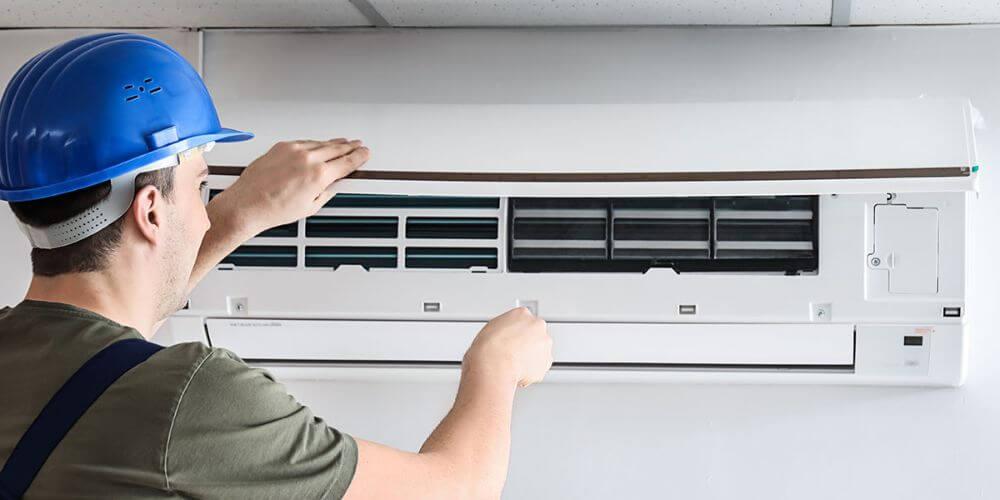
Selecting an air conditioning unit is only one part of creating a comfortable indoor environment. The equipment needs to be correctly sized, positioned, connected, tested, and integrated with the building around it. Professional AC installation Dubai brings these elements together so cooling equipment can operate according to its intended capacity while remaining practical to service throughout its working life.
From individual commercial spaces and villas to retail premises, offices, restaurants, and larger developments, installation requirements can vary considerably depending on the building's layout and intended use.
The Room Determines the Cooling Requirement
A suitable system begins with understanding the space it needs to condition. Floor area alone does not determine cooling demand. Window exposure, insulation, ceiling height, occupancy, lighting, appliances, and equipment can all contribute to the heat load. A small office with significant afternoon sun may require a different solution from a similarly sized internal room.
A restaurant kitchen, meanwhile, can generate substantial internal heat through cooking equipment and continuous staff activity. Assessing these factors before equipment selection helps prevent systems from being unnecessarily oversized or unable to cope with peak conditions.
Selecting Equipment for the Application
Different properties can benefit from different air conditioning configurations. Wall-mounted units may suit individual rooms, while concealed or ducted arrangements can provide a less visible solution for larger spaces. Packaged systems may be appropriate where higher-capacity cooling is required within a particular commercial or industrial application.
Equipment selection should also consider available installation space, electrical requirements, drainage, noise, access, and the building's future needs. Where a project requires specialised equipment, a HVAC installation company Dubai can coordinate the selected system with the property's wider mechanical infrastructure. The best installation is one that fits both the technical requirements and the physical realities of the building.
Positioning Indoor Units for Better Air Distribution
Indoor unit location can have a noticeable effect on comfort. Placing an outlet directly above a frequently occupied position may create uncomfortable drafts, while positioning it poorly can leave parts of the room inadequately conditioned.
Air should be distributed across the occupied area without creating significant hot or cold zones. Furniture, partitions, doors, windows, and ceiling features can all influence the final position. Careful placement during installation reduces the need for later adjustments and helps the system provide more consistent conditions.
Outdoor Units Need Breathing Room
Outdoor equipment rejects heat into the surrounding environment and therefore requires adequate airflow. Installing units too close to walls, other equipment, or enclosed structures can restrict heat rejection and affect performance.
Access is equally important. Technicians need sufficient space to inspect components, clean coils, check connections, and perform future repairs. The outdoor location should therefore be selected based on both operational requirements and maintenance practicality rather than simply finding an unused corner of the property.
Refrigerant Lines Connect the System
For split and similar air conditioning configurations, refrigerant pipework forms the link between indoor and outdoor equipment. Pipe diameter, length, elevation, insulation, and connection quality can all influence system operation. Lines should be routed carefully and protected against physical damage.
Insulation needs to remain continuous to limit unwanted heat transfer and reduce condensation risks. Connections must also be checked thoroughly because refrigerant leakage can reduce cooling performance and place additional stress on the equipment. The quality of the refrigerant circuit is fundamental to the performance of the finished installation.
Drainage Is Easy to Overlook
Cooling equipment can produce condensate during normal operation. This water needs a reliable path away from the indoor unit without causing leakage or damage to surrounding finishes. Drain lines should have appropriate routing and fall where required, with connections made securely.
Poor drainage can result in water accumulation, ceiling damage, unpleasant odours, or repeated service calls. Planning condensate drainage at the same time as equipment positioning avoids many common installation problems.
When Ductwork Is Part of the Solution
Some properties require conditioned air to reach several rooms through a concealed distribution network. In these applications, duct dimensions, routing, insulation, grilles, diffusers, and return-air arrangements become important parts of the installation. Duct routes must coexist with lighting, electrical containment, plumbing, structural elements, and ceiling finishes.
For projects requiring extensive Duct installation Dubai, early coordination can prevent conflicts and preserve sufficient space for future access to both the ductwork and other building services. A ducted system should be designed around the complete ceiling environment rather than installed as an isolated component.
Packaged Systems Require Site-Specific Planning
Larger commercial and industrial spaces may require packaged cooling equipment where a self-contained arrangement is appropriate for the application. During Package AC unit installation Dubai, equipment capacity, location, airflow, electrical supply, service clearances, and connected ductwork or distribution arrangements all need to be considered.
The surrounding environment can also affect equipment performance. Adequate ventilation and access are particularly important where the unit operates for extended periods under demanding outdoor conditions.
Installation Should End With Verification
Switching on an air conditioner is not the same as commissioning it. After installation, the system should be checked for appropriate operation, airflow, temperature response, drainage, electrical performance, refrigerant conditions, and control functionality as applicable.
Testing can identify issues such as restricted airflow, incorrect settings, drainage problems, or connection defects before the property enters normal use. Documentation of the installed equipment and relevant technical information also helps future facility teams understand the system.
Preparing for Years of Operation
Air conditioning equipment operates through repeated cooling cycles and may run for extended periods in commercial environments. Filters become loaded, coils accumulate contamination, components wear, and operating conditions can change. Installation decisions should therefore make routine servicing practical.
Equipment should remain accessible, service panels should not be obstructed, and critical connections should be positioned where technicians can inspect them safely. A good installation considers not only how the system will perform on its first day but also how it will be maintained later.
Final Thoughts
Effective cooling depends on much more than choosing an air conditioning unit with sufficient capacity. Professional AC installation Dubai combines equipment selection, indoor and outdoor positioning, refrigerant connections, condensate drainage, electrical integration, air distribution, testing, and future service access.
When these details are addressed as one coordinated installation, cooling equipment can operate more consistently while providing comfortable indoor conditions and a practical foundation for long-term building management.

 English