


Understanding ATEX Tablets for Hazardous Work Environments in the UK
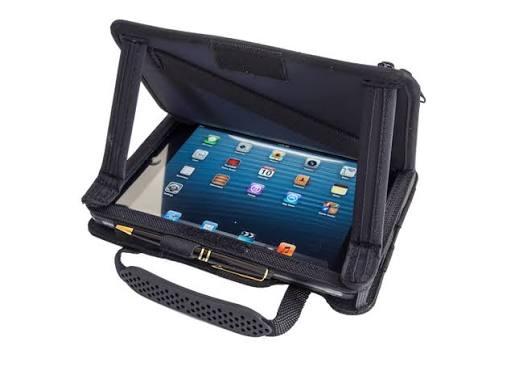
ATEX Tablets are specialised mobile computing devices designed for use in hazardous environments where flammable gases, vapours, liquids, or combustible dust may be present. In the UK, industries such as oil and gas, chemical processing, pharmaceuticals, manufacturing, utilities, and industrial maintenance may operate in areas where electrical equipment requires appropriate protection. ATEX Tablets are developed to reduce the risk of ignition when used in designated hazardous zones. They can provide access to digital documents, inspection records, maintenance information, communication tools, and operational applications while supporting work in challenging industrial conditions. Their suitability depends on the hazardous area classification, equipment certification, temperature requirements, and operating conditions of the workplace. Understanding these factors helps organisations select equipment that corresponds with the specific environment in which it will be used. ATEX Tablets therefore form part of the wider approach to safe digital technology deployment in potentially explosive atmospheres across UK industrial settings.
What Are ATEX Tablets?
ATEX Tablets are rugged computing devices designed and certified for use in potentially explosive atmospheres. The term ATEX refers to the European framework governing equipment and protective systems intended for use in environments where explosive atmospheres may occur.
Unlike ordinary tablets, ATEX Tablets incorporate protective measures intended to prevent the device from becoming an ignition source under specified conditions. These measures can relate to electrical components, batteries, enclosures, temperature control, and other internal systems.
Their design makes them relevant to industrial environments where conventional electronic devices may not be suitable.
Why ATEX Tablets Are Used in Hazardous Areas
Many UK industrial facilities contain areas where flammable substances can create potentially explosive atmospheres. These conditions can occur during normal operations, maintenance activities, storage processes, or accidental releases.
Workers may still need access to digital information in these locations. Paper-based documentation can be difficult to update, while standard electronic devices may not meet the required safety conditions.
ATEX Tablets can provide a way to access digital work instructions, inspection information, equipment records, checklists, and communication systems in appropriately classified areas. Their use must always correspond with the certification requirements of the particular hazardous location.
ATEX Zones and Tablet Selection
Hazardous areas are classified according to the likelihood and duration of an explosive atmosphere being present. Different zones apply to different types of hazards, including gases, vapours, and combustible dust.
For gas and vapour environments, classifications commonly include Zones 0, 1, and 2. Dust-related environments use Zones 20, 21, and 22.
An ATEX Tablet must have certification appropriate to the zone and hazardous substance involved. Selecting equipment solely because it is described as an ATEX device is therefore not sufficient. The equipment marking and certification should be checked against the requirements of the workplace.
Key Features of ATEX Tablets
ATEX Tablets may combine hazardous-area protection with features needed for industrial computing. A rugged enclosure can help protect the device against dust, moisture, vibration, and physical impact, depending on its specification.
Display visibility is another consideration, particularly for workers operating outdoors or in areas with changing lighting conditions. Touchscreens may be designed to remain usable with gloves, although this depends on the specific device.
Battery design is also important because batteries can represent potential sources of heat or electrical energy. ATEX-certified equipment incorporates appropriate protection according to its certification.
Connectivity options can include wireless communication, depending on the certification and operating environment.
Applications Across UK Industries
ATEX Tablets can be used across several industries where hazardous atmospheres may occur. In oil and gas operations, they may support inspections, maintenance documentation, equipment monitoring, and field reporting.
Chemical facilities may use digital tablets for process documentation, maintenance activities, and safety-related records. Pharmaceutical manufacturing can also contain controlled areas where combustible materials or specific processing conditions require specialised equipment.
Other possible applications include utilities, fuel storage, waste processing, food production, mining-related operations, and industrial manufacturing.
The appropriate application depends on the site's hazardous-area classification and the certification of the tablet.
ATEX Certification and Compliance
Certification is an important consideration when selecting ATEX Tablets for UK workplaces. Equipment intended for potentially explosive atmospheres must meet applicable requirements and carry appropriate markings.
The equipment documentation normally identifies information such as the equipment group, category or protection level, gas or dust classification, temperature class, and other relevant protection details.
Workplace operators should compare these specifications with the hazardous-area assessment before equipment is introduced. Certification should not be treated as a general approval for every hazardous environment because different areas can have different requirements.
Durability and Industrial Use
Industrial environments can expose electronic equipment to dust, water, impacts, temperature changes, and continuous handling. ATEX Tablets may therefore feature rugged construction in addition to their hazardous-area protection.
Durability can be particularly relevant for field workers who move between workstations, production areas, storage facilities, and outdoor locations.
However, rugged construction and ATEX certification address different requirements. A tablet can be physically durable without being suitable for a potentially explosive atmosphere. Both aspects should be evaluated separately when determining whether equipment is appropriate for a particular task.
Digital Tasks Supported by ATEX Tablets
ATEX Tablets can support many routine digital activities in industrial workplaces. Workers may use them to view technical documents, complete inspection forms, record maintenance information, access digital checklists, review equipment data, and communicate with colleagues.
Digital documentation can reduce the need to carry multiple paper records and can allow information to be entered closer to the point where work takes place.
Depending on the device and software environment, tablets may also connect with industrial information systems. Such connectivity must remain compatible with the safety requirements of the hazardous area.
Choosing the Appropriate ATEX Tablet
The selection process should begin with an assessment of the workplace rather than the tablet's general specifications. The hazardous substance, zone classification, operating temperature, required protection level, and intended task should all be considered.
Other factors may include screen size, battery capacity, connectivity, storage, processing requirements, physical durability, and ease of handling.
Certification documentation should be reviewed carefully to confirm that the device is suitable for the intended location. Workplace procedures should also define how the equipment is inspected, maintained, charged, and used.
Conclusion
ATEX Tablets provide specialised mobile computing capabilities for workplaces where potentially explosive atmospheres require appropriately certified equipment. In the UK, their use can be relevant to industries including chemical processing, oil and gas, manufacturing, utilities, pharmaceuticals, and other industrial sectors.
Their suitability depends on factors such as hazardous-area classification, certification, environmental conditions, and intended application. Understanding these requirements allows organisations to distinguish between ordinary rugged tablets and equipment specifically designed for hazardous environments. ATEX Tablets can therefore support digital industrial tasks while forming part of a broader approach to safe equipment selection and workplace procedures.

 English