


Improving Home Comfort With Attic Insulation and Air Sealing
Understanding the Role of Attic Insulation
A home's attic plays an important part in maintaining comfortable indoor temperatures. During cold weather, heat naturally moves toward cooler spaces, while summer conditions can allow excessive heat to enter from the roof. Insulation slows this heat transfer, helping the home maintain more consistent temperatures. Proper attic insulation can also reduce the workload on heating and cooling equipment and support more efficient energy use.
Recognizing Signs of Poor Attic Performance
Uneven room temperatures, uncomfortable upstairs bedrooms, drafts, and unusually high heating or cooling bills may indicate problems with attic insulation or air leakage. Ice buildup along roof edges during winter can sometimes signal heat escaping into the attic, although other roofing and drainage conditions may also contribute. A professional assessment can help identify whether insulation levels, air leaks, ventilation, or other building issues need attention.
Why Air Sealing Matters
Insulation and air sealing serve different purposes. Insulation slows heat movement through building materials, while air sealing reduces the movement of air through unwanted gaps and openings. Small leaks around plumbing penetrations, electrical wiring, attic hatches, and wall connections can allow conditioned air to escape. Addressing these gaps before adding insulation helps create a more effective thermal barrier and reduces drafts throughout the house.
Planning Professional Attic Improvements
Professional Attic Insulation and Air Sealing Bronx NY can help homeowners evaluate existing insulation, locate air leaks, and select suitable improvements. The right approach depends on the attic's structure, current insulation type, moisture conditions, and accessibility. An inspection may identify missing insulation, compressed materials, gaps around penetrations, or signs of water damage. Correcting these issues first helps ensure that new insulation performs as intended.
Choosing the Right Insulation Material
Different insulation materials offer different advantages depending on the project. Fiberglass batts are commonly used in accessible attic spaces, while loose-fill cellulose or fiberglass can cover irregular areas and fill around existing framing. Spray foam may be appropriate for certain air-sealing applications, but it requires careful installation and consideration of the building's moisture and ventilation needs. Material selection should account for the required thermal resistance, available space, and existing construction.
Addressing Air Leaks Around Common Openings
Attic air leaks often occur where building materials meet or where services pass through the ceiling. Common locations include plumbing pipes, electrical wiring, recessed lighting, chimney surroundings, and attic access openings. These areas should be sealed using materials suitable for the specific conditions. Heat-producing fixtures and chimneys require appropriate clearances and approved sealing methods rather than ordinary foam or insulation placed directly against them.
Understanding Moisture and Ventilation
Insulation improvements should not trap moisture inside the attic. Warm, humid indoor air can move into cooler attic spaces through gaps and condense on cold surfaces, potentially contributing to mold or wood deterioration. Before insulating, homeowners should address roof leaks, plumbing leaks, and existing moisture damage. Ventilation requirements also need to be considered because the correct approach depends on whether the attic is designed as a vented or unvented assembly.
Working With Qualified Contractors
Homeowners comparing insulation providers should review experience, licensing where applicable, insurance, references, and the proposed work. A qualified Licensed General Contractor Near Bronx NY can help coordinate attic improvements with related building repairs when the project requires more than insulation alone. The estimate should identify preparation, air sealing, insulation materials, expected coverage, cleanup, and any necessary repairs to existing components.
Preparing the Attic Before Installation
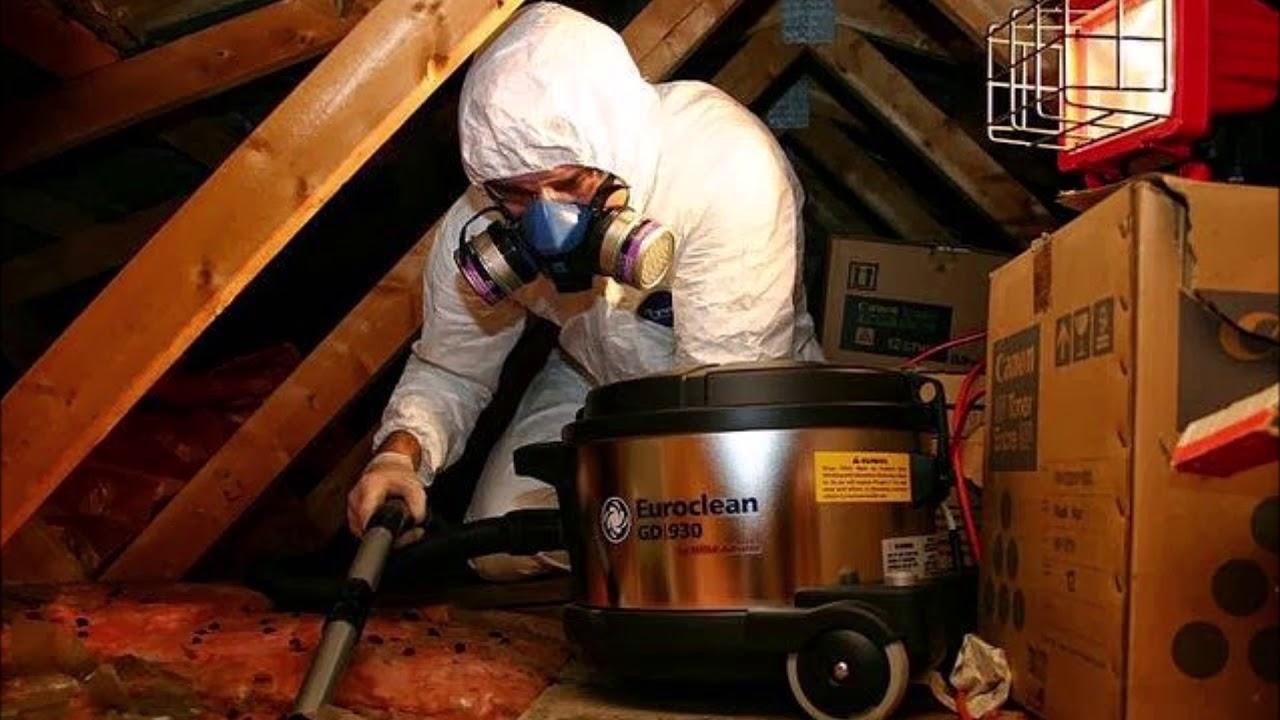
Before insulation work begins, the attic should be checked for damaged wiring, unsafe access, pest activity, moisture problems, and deteriorated materials. Stored belongings may need to be moved to allow access to the ceiling and roof framing. Existing insulation should be assessed rather than automatically removed, since its condition and material type determine whether it can remain. Proper preparation reduces installation problems and helps workers reach the areas that need attention.
Maintaining Insulation and Air Sealing
After improvements are completed, homeowners should periodically inspect the attic for disturbed insulation, new leaks, pest activity, or changes in moisture conditions. Roofing repairs, electrical work, and other projects can affect previously sealed areas, so any new openings should be addressed appropriately. Maintaining clear access to important equipment and keeping insulation away from heat-producing components also supports long-term safety and performance.
Supporting Long-Term Home Efficiency
Attic insulation and air sealing work best when they are planned together and matched to the home's existing structure. Identifying air leaks, correcting moisture problems, and selecting suitable insulation can help improve comfort while reducing unnecessary energy loss. With proper installation and occasional maintenance, homeowners can protect their attic, support more consistent indoor temperatures, and maintain a more efficient living environment over time.

 Turkish