


Understanding Effective Termite Treatment for Your Property
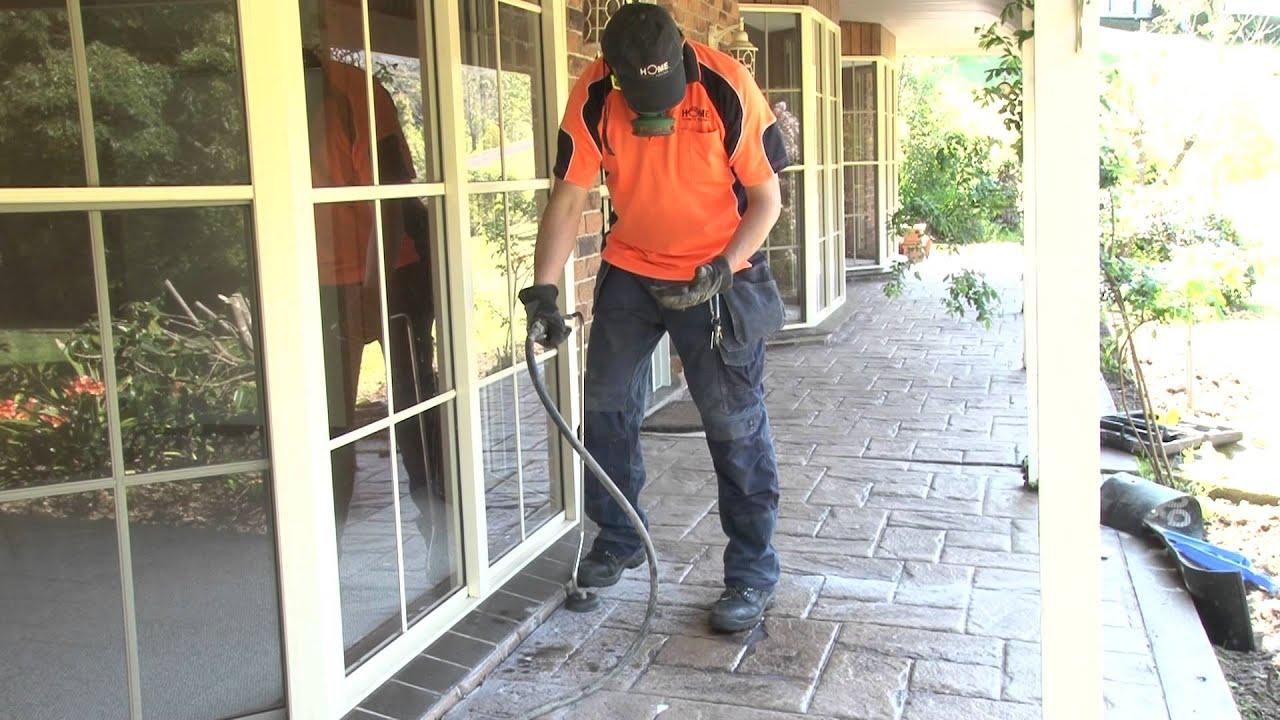
Recognizing the Threat of Termite Damage
Termites can cause significant damage to wooden structures by feeding on cellulose found in wood, paper, and other plant-based materials. Because they often remain hidden behind walls, beneath flooring, or inside structural components, an infestation may continue for months before visible signs appear. Regular inspections and timely treatment can help property owners identify termite activity early and reduce the risk of extensive repairs.
Understanding Professional Chemical Treatment
Homeowners researching Termite Chemical Treatment Services near Raleigh NC should understand that effective treatment begins with identifying the termite species and determining where the colony is active. Chemical treatments may involve approved soil applications, targeted treatments around affected structures, or other methods appropriate for the property. The correct approach depends on the building design, infestation severity, soil conditions, and product label requirements.
Identifying Common Signs of Termites
Termite activity can be difficult to recognize because many species work out of sight. Warning signs may include mud tubes along foundations, hollow-sounding wood, discarded wings near windows, bubbling paint, or wood that appears damaged beneath its surface. Some signs can resemble ordinary moisture damage, so a professional inspection is useful when the cause is uncertain. Early identification allows treatment decisions to be based on evidence rather than assumptions.
Exploring Different Treatment Approaches
Several methods may be used to manage termite infestations. Liquid termiticides can create treated zones around or beneath a structure when applied according to the product label. Bait systems use specially designed stations to target termite colonies over time. In some situations, localized treatment may be appropriate for specific affected areas. A qualified technician can explain the advantages, limitations, and monitoring needs of each available option.
Choosing an Experienced Pest Control Provider
A dependable Termite Exterminators Company should conduct a thorough inspection before recommending a treatment plan. Homeowners should ask about technician qualifications, treatment methods, product safety information, follow-up visits, and any service warranty. Written documentation should explain which areas will be treated and what the service includes. Clear communication helps property owners understand the process and make informed decisions about protecting their homes.
Understanding Why Soil Treatment Matters
Subterranean termites commonly enter buildings from soil and may travel through concealed pathways to reach wooden materials. Soil treatment can help establish a protective zone that reduces opportunities for termites to reach the structure. However, successful application requires careful attention to foundation design, utility penetrations, drainage conditions, and product instructions. Incorrect application can leave gaps in protection, which is why this work should be handled by trained professionals.
Protecting Wooden Structures From Moisture
Moisture management is an important part of termite prevention because damp conditions can make some areas more attractive to termites and may also weaken building materials. Repair leaking pipes, maintain gutters, and direct rainwater away from the foundation. Ensure that crawl spaces have appropriate moisture control and that wood does not remain in direct contact with soil where avoidable. These improvements support treatment efforts but do not replace necessary termite control.
Following Chemical Safety Precautions
Termite control products must be used carefully because incorrect handling or application can create health and environmental risks. Homeowners should follow all preparation instructions provided by the pest control professional, including guidance about pets, children, treated areas, and temporary access restrictions. Never apply professional-use chemicals without the required training or authorization. The product label and technician's instructions should determine when treated areas can safely be reoccupied.
Evaluating Treatment Costs and Coverage
The cost of termite treatment varies according to the size of the building, the extent of the infestation, the selected treatment method, and the accessibility of affected areas. Additional work may be necessary if damaged wood or moisture problems require repair. Before approving service, request a written estimate and clarify whether inspections, follow-up visits, monitoring stations, and future retreatment are included. Comparing the full scope of service is more useful than considering price alone.
Scheduling Inspections and Follow-Up Visits
Termite treatment is not always a one-time process. Some methods require monitoring to confirm that activity has declined, while others may need periodic inspection to maintain protection. Homeowners should keep treatment records, warranty documents, and inspection reports for future reference. Follow-up appointments also provide an opportunity to identify new moisture issues, construction changes, or conditions that could create additional entry points.
Preventing Future Termite Infestations
Prevention starts with reducing conditions that support termite activity and making vulnerable areas easier to inspect. Remove unnecessary wood debris near the foundation, store firewood away from exterior walls, and repair damaged exterior components promptly. Avoid covering foundation areas with landscaping materials that prevent visual inspections. Even after successful treatment, regular monitoring remains important because surrounding termite colonies and changing property conditions can create new risks.
Protecting Your Home With Informed Treatment
Termite protection requires accurate identification, suitable treatment methods, careful chemical application, and ongoing prevention. Professional inspections can reveal hidden activity and help determine whether soil treatment, baiting, localized applications, or a combination of methods is appropriate. By addressing termite activity promptly and maintaining the property, homeowners can reduce the risk of structural damage and make more informed decisions about long-term protection.

 English