


Choosing Kitchen Tile for Style and Everyday Durability
Understanding the Role of Kitchen Tile
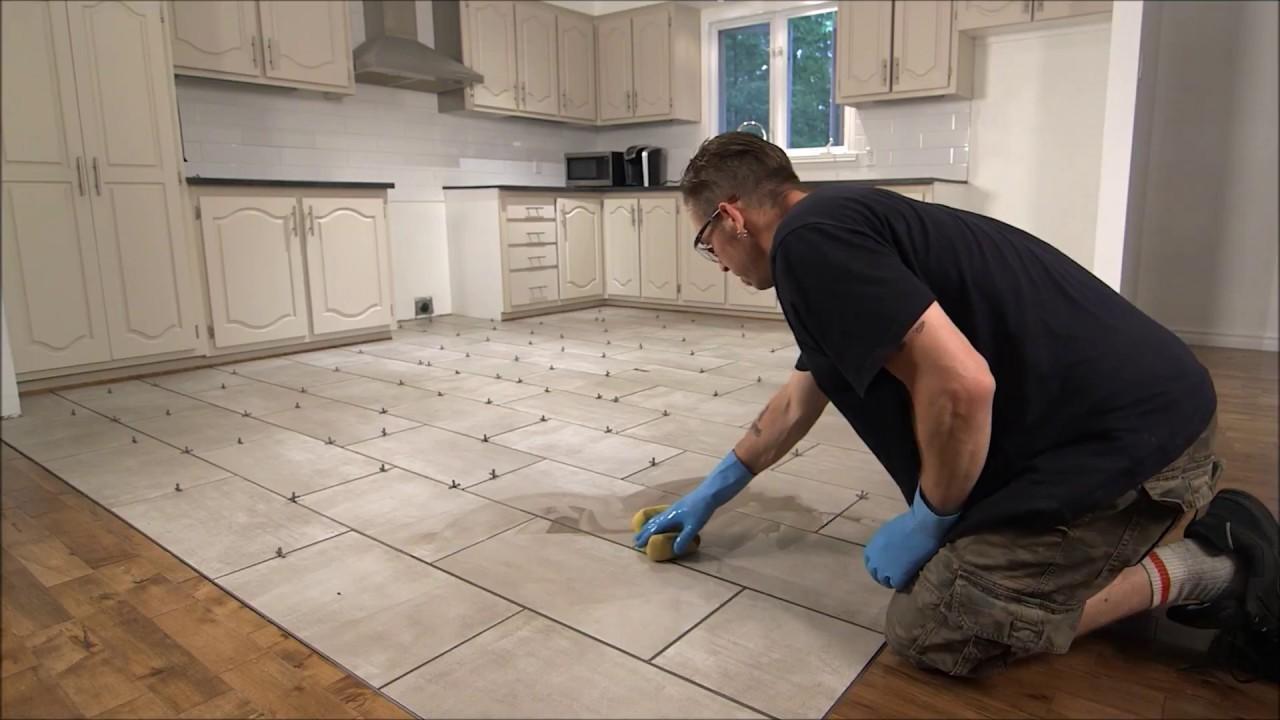
Kitchen tiles offer a practical way to improve the appearance and functionality of one of the busiest rooms in a home. They can protect walls from cooking splashes, provide durable flooring, and introduce color or texture to the overall design. Selecting suitable materials requires consideration of daily use, cleaning requirements, moisture exposure, and how the tiles complement existing cabinets and countertops.
Planning a Kitchen Tile Installation
A successful tile project begins with understanding the area that needs updating and the results you want to achieve. Kitchen Tile installers near Chapel Hill NC can help homeowners evaluate tile options, prepare installation areas, and plan the layout for flooring, backsplashes, or other tiled surfaces. Establishing the project's scope early makes it easier to estimate material quantities, coordinate work, and avoid unnecessary changes during installation.
Comparing Different Types of Kitchen Tiles
Ceramic and porcelain tiles are common choices because they are available in many colors, patterns, and sizes. Ceramic tiles can be suitable for backsplashes and certain flooring applications, while porcelain generally offers greater density and low water absorption. Natural stone provides distinctive patterns and textures but may require additional sealing and maintenance. The best option depends on the intended location, expected wear, budget, and care preferences.
Selecting Colors and Patterns
Tile colors influence the atmosphere and perceived size of a kitchen. Light-colored tiles can make a compact room feel brighter, while darker shades may create contrast against pale cabinets and countertops. Patterned tiles can introduce visual interest, but overly complicated designs may compete with other decorative elements. Reviewing samples under the kitchen's actual lighting helps homeowners understand how colors and finishes will look throughout the day.
Measuring the Area and Estimating Materials
Accurate measurements help prevent shortages and unnecessary material expenses. Calculate the surface area of the floor or wall, then account for cuts, corners, edges, and the selected tile pattern. Purchasing a reasonable amount of extra tile can help cover breakage and future repairs. Keeping the product name, size, color, and batch information also makes it easier to obtain matching replacements if needed.
Preparing Surfaces Before Installation
A stable, clean, and properly prepared surface is essential for durable tile installation. Dust, grease, loose materials, and uneven sections can interfere with adhesion or create an inconsistent finish. Existing damage should be repaired before work begins, and the substrate must be suitable for the chosen tile and installation method. Moisture concerns should also be addressed, particularly around sinks, dishwashers, and other plumbing fixtures.
Coordinating the Project With Renovation Professionals
Kitchen tile work may be part of a larger update involving cabinetry, countertops, plumbing, lighting, or flooring. Home Renovation Services can help homeowners coordinate these connected tasks so the work follows a sensible sequence. Before hiring a contractor, review the proposed scope, schedule, payment terms, insurance, and applicable permits. Clear communication about responsibilities helps reduce confusion and keeps the project aligned with the intended design.
Understanding Tile Layout and Grout Selection
The tile layout affects both the appearance and practical performance of the finished surface. Straight, staggered, diagonal, and patterned arrangements create different visual effects and may require different amounts of cutting. Grout color can blend with the tile for a subtle look or contrast to emphasize the pattern. Selecting appropriate grout and joint widths according to the tile manufacturer's instructions helps achieve a consistent finish.
Protecting Cabinets and Nearby Surfaces
Kitchen renovation work can create dust and debris that affect surrounding areas. Before installation begins, remove small appliances, dishes, and personal belongings from the work zone. Cabinets, countertops, and appliances should be protected where necessary, especially during cutting and adhesive application. Maintaining clear walkways also helps reduce accidents and gives installers sufficient room to handle materials safely.
Managing the Installation Timeline
The length of a tile project depends on the size of the area, the complexity of the layout, surface preparation, and the products being used. Larger tiles may require different handling techniques, while intricate patterns can take additional time to align correctly. Adhesives and grout also need suitable setting or curing periods before the surface can be used normally. Planning around these requirements helps prevent premature damage.
Maintaining Kitchen Tiles After Installation
Routine cleaning helps preserve the appearance of tiled surfaces. Sweep or vacuum flooring regularly to remove grit that may scratch certain finishes, and wipe spills promptly to prevent staining. Use cleaning products appropriate for the tile and grout type. Natural stone may require special cleaners and periodic sealing, while grout lines benefit from gentle, consistent maintenance. Avoid harsh chemicals unless the manufacturer confirms they are suitable.
Avoiding Common Tile Installation Mistakes
Choosing tiles without considering slip resistance, ignoring surface preparation, or selecting unsuitable grout can lead to maintenance problems. Poor alignment and inconsistent spacing may also affect the final appearance. Homeowners should confirm that the selected product is suitable for its intended application and ask about cleaning requirements before installation. Reviewing the completed work and addressing concerns promptly helps ensure a more satisfactory result.
Creating a Kitchen That Lasts
Well-chosen kitchen tiles can enhance a home's design while providing practical protection in areas exposed to daily activity. By comparing materials, planning the layout, preparing surfaces properly, and coordinating renovation tasks, homeowners can achieve a finish that suits their needs. Regular maintenance and careful product selection help preserve the tiled surfaces, allowing the kitchen to remain attractive, functional, and comfortable for years.

 English