


Lower Blepharoplasty in London: How Can Treatment Address Changes in the Under-Eye Area?
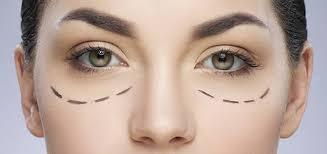
Changes in the under-eye area are a natural part of ageing, but they can affect how refreshed, rested, and youthful the face appears. Some people notice puffiness beneath their eyes, while others experience loose skin, deeper hollows, or more noticeable lines. These changes can develop gradually and may be influenced by genetics, skin quality, facial anatomy, and lifestyle factors. Although skincare and non-surgical treatments may help with certain concerns, they do not address every structural change around the lower eyelids.
Lower blepharoplasty is a surgical procedure designed to improve the appearance of the lower eyelids by addressing selected concerns, such as under-eye bags and excess skin. The treatment focuses on the relationship between the skin, underlying tissues, and natural contours of the eye area. For individuals considering Lower Blepharoplasty in London, understanding how the procedure works and which concerns it may address can help them make an informed decision.
The goal is not to change the natural character of the eyes but to create a smoother, more balanced transition between the lower eyelids and cheeks. A personalised consultation helps determine whether surgery is appropriate for an individual's anatomy, expectations, and aesthetic goals.
Understanding Common Changes in the Under-Eye Area
The under-eye area contains delicate skin and supporting structures that can change over time. As collagen and elastin production gradually decline, the skin may become thinner and less firm. The tissues supporting the lower eyelids can also change, contributing to puffiness or a less defined contour.
One common concern is the development of under-eye bags. These may become more noticeable when the tissues around the eyes change position or when the natural fat compartments beneath the eyes become more prominent. Although fluid retention can contribute to temporary puffiness, persistent bags may have a structural component that does not respond significantly to lifestyle adjustments.
Another concern is loose or crepey skin beneath the eyes. Fine lines may become more visible as skin elasticity decreases, particularly when the skin is exposed to environmental factors over many years. Some individuals also develop a hollow appearance between the lower eyelid and upper cheek, creating shadows that make the area appear tired.
These concerns do not always occur together. One person may have prominent fat pockets with relatively firm skin, while another may experience skin laxity or under-eye hollows without significant puffiness. Identifying the underlying cause is an important part of selecting an appropriate treatment approach.
What Is Lower Blepharoplasty?
Lower blepharoplasty is a surgical procedure that focuses on improving the contour of the lower eyelids. Depending on the individual's anatomy, the treatment may involve removing or repositioning selected fat, addressing excess skin, or combining techniques to create a smoother appearance.
The procedure is not simply about removing tissue. Excessive removal of skin or fat can produce an unnatural or hollow appearance, so careful planning is important. The appropriate technique depends on the amount of skin laxity, the position of the lower eyelid, the prominence of fat pockets, and the relationship between the eyelids and cheeks.
For patients researching Lower Eyelid Surgery In London, a consultation provides an opportunity to discuss which changes are most noticeable and what improvements may realistically be achieved. The surgeon assesses the lower eyelids and surrounding facial structures before recommending an individualised approach.
The intended outcome is a more harmonious under-eye contour that remains consistent with the patient's natural facial features.
How Can Lower Blepharoplasty Address Under-Eye Bags?
Under-eye bags are among the most common reasons people consider lower eyelid surgery. They may appear as rounded areas beneath the eyes, sometimes creating a visible boundary between the lower eyelids and cheeks.
When these bags are associated with prominent orbital fat, lower blepharoplasty may involve carefully repositioning or removing a selected amount of fat. Repositioning can help redistribute volume across the under-eye area, while limited removal may be appropriate when excess fat contributes to a pronounced bulge.
The choice depends on the individual's anatomy. A patient with prominent fat pockets and good skin elasticity may benefit from a different technique than someone who also has loose skin or a noticeable hollow beneath the eyelids.
It is also important to distinguish persistent structural bags from temporary puffiness. Sleep patterns, allergies, fluid retention, and other factors can affect the appearance of the under-eye area. Surgery may be more suitable for lasting anatomical changes than for puffiness that fluctuates throughout the day.
By identifying the main cause of the concern, the treatment plan can focus on improving the contour rather than addressing the appearance of the bags alone.
Addressing Loose Skin and Fine Lines Beneath the Eyes
As the skin around the eyes loses elasticity, it may begin to appear loose, folded, or creased. These changes can make the lower eyelids look less smooth, particularly when smiling or looking upward.
Lower blepharoplasty may help when excess skin is a significant contributor to the appearance of the under-eye area. In suitable patients, the surgeon can remove a carefully measured amount of skin to improve the contour while preserving the natural shape and support of the lower eyelid.
However, not every fine line can be corrected through surgery. Fine wrinkles caused by skin texture, sun exposure, or repeated facial movement may remain after the procedure. Similarly, surgery does not stop the natural ageing process.
A detailed assessment helps establish whether the primary concern is excess skin, prominent fat, surface-level wrinkles, or a combination of these factors. Patients with mild skin changes and good eyelid support may be considered for a different treatment approach from those with more pronounced laxity.
The aim is to achieve a smoother appearance without creating excessive tightness or changing the natural expression of the eyes.
Improving the Transition Between the Lower Eyelids and Cheeks
The appearance of the under-eye area depends on more than the lower eyelids alone. The transition between the eyelids and cheeks plays an important role in facial balance.
Some people develop a visible hollow beneath the eyes, often referred to as a tear-trough hollow. This can create shadows that make the area appear darker or more tired. In other cases, prominent fat pockets sit above a hollow, producing an uneven contour.
Lower blepharoplasty may address these concerns through carefully planned fat repositioning in suitable patients. Rather than simply reducing the volume beneath the eyes, the surgeon may redistribute existing fat to soften the transition between the lower eyelids and upper cheeks.
The most appropriate technique depends on the depth of the hollow, the position of the fat compartments, skin quality, and overall facial proportions. Not every hollow is caused by excess eyelid fat, and some patients may require an alternative approach.
Considering the entire under-eye region helps prevent treatment from focusing too narrowly on one feature. A balanced result should complement the surrounding cheeks, eyelids, and facial structure.
What Techniques May Be Used During Lower Eyelid Surgery?
The surgical technique is selected according to the concerns identified during the consultation. Two commonly used approaches are the transconjunctival and transcutaneous techniques.
A transconjunctival approach involves an incision inside the lower eyelid. It may be appropriate for selected patients who have prominent fat pockets but little excess skin requiring removal. Because the incision is placed on the inner surface of the eyelid, there is no external skin incision from this approach.
A transcutaneous approach involves an incision close to the lower eyelash line. It may be considered when excess skin needs to be addressed alongside changes in the underlying tissues. The placement of the incision allows the surgeon to access the relevant structures and, when appropriate, remove carefully measured skin.
These approaches are not interchangeable in every case. The decision depends on skin elasticity, fat distribution, eyelid position, and the need for additional support or contouring.
An experienced surgeon will explain the reasoning behind the recommended technique, including how it relates to the patient's anatomy and desired outcome.
Who May Be Suitable for Lower Blepharoplasty?
Lower blepharoplasty may be considered by adults who are concerned about persistent under-eye bags, selected forms of excess lower-eyelid skin, or an uneven contour associated with changes in the underlying tissues.
Suitability is determined through an individual assessment rather than age alone. Some people develop prominent under-eye bags relatively early because of their genetics, while others experience more noticeable changes later in life.
During the consultation, the surgeon may assess skin quality, eyelid tone, facial proportions, fat distribution, medical history, and previous treatments. Eye health and the ability of the eyelids to maintain their normal position are also important considerations.
Patients should have realistic expectations about what surgery can achieve. The procedure may improve selected structural concerns, but it cannot eliminate every wrinkle, correct every form of under-eye darkness, or prevent future ageing.
A thorough discussion helps establish whether lower blepharoplasty is likely to provide meaningful improvement or whether a non-surgical option or another treatment would better suit the individual's needs.
What Happens During Consultation and Recovery?
The consultation is an important stage in planning lower eyelid surgery. Patients can explain which changes concern them most, how long they have been noticeable, and what type of improvement they hope to achieve.
The surgeon examines the lower eyelids and surrounding structures to determine whether the concern is mainly related to skin, fat, hollows, or a combination of factors. Photographs may also be used to support treatment planning and provide a reference for evaluating the results.
After surgery, temporary swelling, bruising, tightness, and sensitivity around the eyes are common. The initial recovery period varies according to the technique used and the individual's healing response. Patients should follow their surgeon's instructions regarding eye care, activity, medication, and follow-up appointments.
Although some improvement may become visible as the early swelling subsides, the final contour can take several weeks or longer to settle. The surgeon can provide more specific guidance based on the planned procedure and the patient's circumstances.
Planning adequate time for recovery is helpful, particularly for individuals with work commitments or social events. Follow-up appointments also allow the clinical team to monitor healing and answer questions throughout the recovery process.
Choosing a Blepharoplasty Clinic in London
Choosing the right clinic involves more than comparing treatment descriptions. Patients should look for appropriately qualified surgeons, clear explanations of the available techniques, and an assessment process that considers the whole eye area.
A reputable Blepharoplasty Clinic in London should explain what the procedure can realistically achieve and distinguish structural concerns that may respond to surgery from issues requiring another approach. Patients should also have the opportunity to discuss the surgeon's experience, expected recovery, aftercare arrangements, and the proposed treatment plan.
The consultation should feel informative rather than pressurised. A good treatment recommendation is based on individual anatomy, clinical suitability, and personal goals rather than a standardised approach for every patient.
It can also be helpful to review relevant before-and-after photographs, where available, to understand the surgeon's approach to natural-looking lower eyelid results. These examples should be discussed with an understanding that outcomes differ between individuals.
Taking time to evaluate these factors supports a more confident and informed decision.
Conclusion
Changes in the under-eye area can involve prominent fat pockets, loose skin, fine lines, hollows, or a combination of these features. Understanding the underlying cause is essential when deciding which treatment may provide the most appropriate improvement.
Lower blepharoplasty can help selected patients achieve a smoother lower-eyelid contour by addressing excess skin or carefully repositioning or removing fat. The precise technique depends on individual anatomy, skin quality, eyelid support, and aesthetic goals. While surgery can improve certain structural changes, it cannot correct every cause of under-eye darkness or eliminate all signs of ageing.
For anyone considering Lower Blepharoplasty in London, a personalised consultation is the best starting point. Discussing expectations, treatment options, and recovery with a qualified surgeon helps establish a suitable plan focused on natural-looking results and the long-term balance of the eye area.
Frequently Asked Questions
1. What concerns can lower blepharoplasty address?
Lower blepharoplasty may improve prominent under-eye bags, selected forms of excess skin, and uneven contours caused by changes in the underlying fat compartments. The specific improvements depend on the individual's anatomy and the surgical technique used.
2. Can lower blepharoplasty remove under-eye bags permanently?
Surgery can provide long-lasting improvement when the bags are caused by structural changes in the lower eyelids. However, natural ageing continues after treatment, and other factors may influence the appearance of the area over time.
3. Is lower eyelid surgery suitable for under-eye dark circles?
It depends on the cause. Dark circles may result from pigmentation, visible blood vessels, thin skin, or shadows created by hollows and prominent fat pockets. Surgery may help when structural contours contribute to the shadows, but it may not improve pigmentation-related darkness.
4. What is the difference between upper and lower blepharoplasty?
Upper blepharoplasty primarily addresses excess skin and other concerns affecting the upper eyelids. Lower blepharoplasty focuses on the area beneath the eyes, including under-eye bags, selected skin changes, and the contour between the lower eyelids and cheeks.
5. Does lower blepharoplasty always involve removing skin?
No. Some patients have prominent fat pockets but little excess skin. In suitable cases, a transconjunctival approach may address the fat through an incision inside the lower eyelid without removing external skin. The appropriate technique depends on the assessment.
6. How long does recovery from lower blepharoplasty take?
Initial swelling and bruising often improve over the first couple of weeks, although recovery varies between patients. Subtle swelling and changes in the final contour may take several weeks or longer to settle. Individual recovery guidance should come from the treating surgeon.
7. Will lower blepharoplasty change the natural shape of my eyes?
The objective is generally to improve the under-eye contour while preserving the natural appearance and function of the eyes. Careful assessment and appropriate surgical planning are important for maintaining eyelid shape and facial balance.
8. Can lower blepharoplasty be combined with other facial treatments?
It may be combined with other procedures in selected patients, depending on their goals, health, and clinical suitability. Any combined treatment plan should be discussed with the surgeon, including the expected recovery and the benefits of treating each concern.
9. How do I know whether I need lower blepharoplasty or a non-surgical treatment?
The main factor is the cause of the concern. Structural fat pockets and significant excess skin may be better addressed surgically, while certain surface-level wrinkles or pigmentation concerns may be approached differently. A professional consultation helps determine the most appropriate option.
10. What should I ask during a lower blepharoplasty consultation?
Ask about the recommended technique, the reasons it suits your anatomy, expected improvements, recovery time, the surgeon's qualifications and experience, aftercare arrangements, and the limitations of the procedure. You should also discuss how your individual eye shape and facial proportions will influence the treatment plan.

 Turkish