


Asphalt Sealcoat: A Complete Guide to Protecting Driveways and Parking Lots
Why Asphalt Sealcoat Is Important for Asphalt Pavement
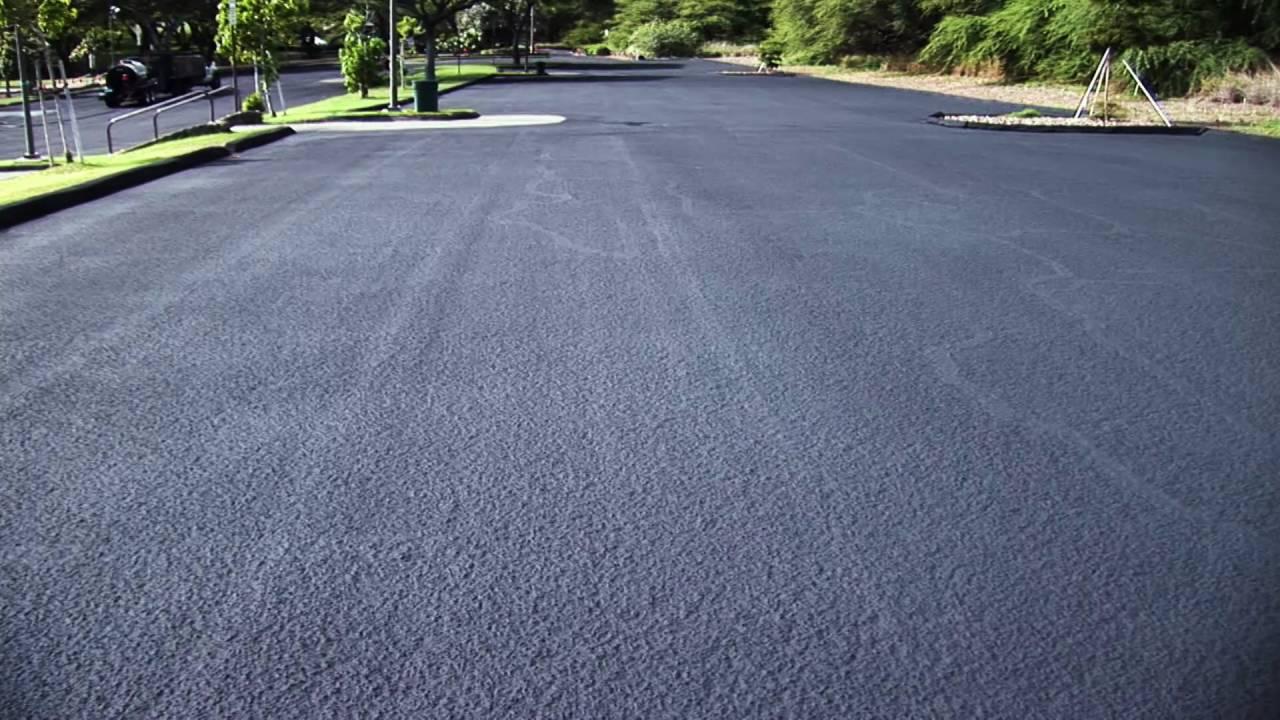
Asphalt sealcoat is an important maintenance treatment for suitable asphalt driveways, parking lots, and other paved surfaces that experience regular traffic and weather exposure. Over time, sunlight, moisture, vehicle movement, and natural aging can affect the appearance and condition of asphalt. A suitable sealcoat can help protect the pavement surface from certain environmental effects while creating a cleaner, more uniform finish. However, sealcoating is not a structural repair and cannot correct a failed base, severe settlement, or extensive pothole damage. Property owners should inspect their pavement before choosing a treatment and address necessary repairs first. When included in a suitable maintenance plan, asphalt sealcoat can help homeowners and businesses maintain their paved areas and manage ordinary surface deterioration more effectively.
What Is Asphalt Sealcoat and How Does It Work
Asphalt sealcoat is a protective coating applied to suitable asphalt pavement to help maintain its surface and refresh its appearance. Products vary in formulation, application requirements, and intended use, so the appropriate option depends on the pavement condition and manufacturer's recommendations. When properly selected and applied, asphalt sealcoat forms a surface layer that helps reduce direct exposure to certain environmental factors, including sunlight and moisture. It can also make a faded asphalt surface look more consistent and well maintained. Before application, the pavement must be inspected, cleaned, and prepared according to the chosen product's instructions. Existing cracks, potholes, and damaged sections may require separate repairs. Understanding how asphalt sealcoat works helps property owners recognize its benefits and avoid expecting a surface coating to solve deeper pavement problems.
Benefits of Asphalt Sealcoat for Residential Driveways
Asphalt sealcoat can help homeowners maintain the appearance of residential driveways while protecting suitable pavement from some forms of everyday surface exposure. Driveways experience vehicle parking, turning, rainfall, sunlight, dirt, and changing temperatures, all of which can affect asphalt as it ages. A properly applied coating can create a refreshed finish and support an organized maintenance routine when the underlying pavement remains structurally sound. Homeowners should first check for open cracks, loose asphalt, potholes, and drainage problems that could require attention before sealing. The driveway should also be cleaned and allowed to meet the product's application requirements. Asphalt sealcoat is most useful when it forms part of a broader maintenance strategy rather than being used as a substitute for repairs. Regular inspections and appropriate surface care help homeowners maintain a more attractive driveway and identify developing problems before they become extensive.
Asphalt Sealcoat for Commercial Parking Lots
Asphalt sealcoat can be an important part of maintaining commercial parking lots when the existing pavement is suitable for a protective surface treatment. Offices, shopping centers, restaurants, apartment complexes, and warehouses often have parking areas exposed to repeated traffic, weather conditions, and regular vehicle movements. Over time, asphalt may become faded, develop surface wear, or show early signs of aging that make the lot appear poorly maintained. Applying asphalt sealcoat after appropriate preparation can help renew the surface appearance and support the property's maintenance plan. However, heavily damaged sections must be assessed and repaired before coating, and areas with structural deterioration may require more extensive work. Commercial property managers should also plan for temporary closures while the coating cures. With appropriate preparation and scheduling, asphalt sealcoat can help businesses maintain presentable parking areas while managing routine pavement care.
When Should You Apply Asphalt Sealcoat
The right time to apply asphalt sealcoat depends on the pavement's condition, the product specifications, and the weather expected during application and curing. A driveway or parking lot should not be coated simply because a certain amount of time has passed since installation. The surface must be suitable for treatment, and necessary repairs should be completed first. Many products require suitable temperatures and dry conditions, while rain or excessive moisture may interfere with application or curing. Property owners should follow the manufacturer's instructions instead of assuming every coating has identical requirements. Asphalt sealcoat should also be applied when the pavement is ready to receive the product, not when widespread structural damage is already present. A professional inspection can help determine whether the surface needs cleaning, crack repairs, resurfacing, or another treatment before the sealcoat is considered.
Preparing the Surface Before Applying Asphalt Sealcoat
Proper preparation is essential for asphalt sealcoat because contaminants and loose material can interfere with the coating's ability to adhere to the pavement. Before application, the surface should be inspected for cracks, potholes, damaged edges, oil stains, and areas where the asphalt is breaking apart. Dirt, dust, leaves, and loose debris should be removed using methods appropriate for the surface. Any necessary repairs should be completed, and the pavement must meet the selected product's requirements for cleanliness and moisture. Skipping preparation can lead to uneven coverage, poor adhesion, or disappointing results. Asphalt sealcoat is not designed to hide every defect, so property owners should address serious damage before applying it. A carefully prepared surface gives the selected coating a better chance of performing as intended and helps create a more consistent finish across the driveway or parking lot.
Cleaning Asphalt Before Applying Asphalt Sealcoat
Cleaning is a necessary step in asphalt sealcoat application because dirt, leaves, loose aggregate, and other contaminants can affect the finished result. Asphalt surfaces collect dust and organic debris through normal use, while driveways and parking areas may also develop oil spots, tire marks, and stains from vehicle fluids. These contaminants should be evaluated before work begins because some may require specific cleaning methods or compatible products. Contractors should avoid using cleaning techniques that unnecessarily damage the pavement or leave the surface unsuitable for coating. After cleaning, the asphalt should meet the manufacturer's requirements for dryness and preparation. Applying asphalt sealcoat over a dirty or wet surface may reduce adhesion and create an uneven appearance. Careful cleaning also makes it easier to identify cracks, loose material, and other defects that need separate repairs before the coating is installed.
Repairing Cracks Before Applying Asphalt Sealcoat
Crack repair should be considered before asphalt sealcoat is applied because cracks can allow water to reach vulnerable pavement layers and contribute to continued deterioration. Cracks may develop because of aging, temperature changes, traffic loads, moisture, or movement in the supporting ground. Their size, depth, pattern, and cause determine which repair method may be appropriate. Some stable cracks can be treated with compatible crack-filling materials, while extensive interconnected cracks may indicate more serious pavement damage. Applying asphalt sealcoat directly over open cracks will not reliably solve the problem or prevent movement from continuing underneath the surface. Contractors should inspect the pavement and complete necessary repairs before coating. Asphalt sealcoat can then be considered as a maintenance treatment for the prepared surface. Addressing cracks first helps property owners avoid relying on a coating to perform a repair function that it was not designed to provide.
Repairing Potholes Before Using Asphalt Sealcoat
Potholes should be repaired before asphalt sealcoat is applied because a surface coating cannot restore missing pavement or rebuild a damaged supporting base. Potholes may develop when water enters asphalt, weakens underlying materials, and combines with repeated vehicle pressure to break apart the surface. The appropriate repair depends on the pothole's size, depth, surrounding pavement condition, and the stability of the base beneath it. Loose material may need to be removed, the damaged area prepared, and a suitable patch installed before further surface treatment is considered. Repeated potholes in the same location may indicate drainage or structural problems that require additional attention. Asphalt sealcoat should only be applied after the surface is suitable for treatment and the repairs meet the relevant product requirements. Taking care of potholes first helps create a more consistent finish and reduces the risk of coating over defects that remain unresolved.
Asphalt Sealcoat and the Difference Between Coating and Repair
Asphalt sealcoat and asphalt repair serve different purposes, so property owners should understand the distinction before planning pavement maintenance. Sealcoating is a surface treatment intended to refresh appearance and help protect suitable asphalt from certain forms of environmental exposure. Repairs, by comparison, address specific defects such as cracks, potholes, loose sections, and damaged edges. More serious problems involving settlement or a failed base may require reconstruction rather than a surface treatment. Applying asphalt sealcoat over substantial damage may temporarily change the appearance without resolving the underlying issue. Contractors should inspect the surface and explain which work is necessary before recommending a coating. The correct approach may involve cleaning, crack treatment, patching, drainage improvements, and sealcoating only where appropriate. Understanding these differences helps homeowners and commercial property managers allocate their maintenance budgets toward treatments that address the actual condition of their pavement.
How Asphalt Sealcoat Helps With Sunlight and Weather Exposure
Asphalt sealcoat may help protect suitable pavement from some direct environmental exposure, including sunlight and moisture, when the selected product is compatible and correctly applied. Sunlight and oxygen gradually contribute to asphalt aging, while repeated rainfall can affect vulnerable areas where cracks and drainage problems are present. Seasonal temperature changes may also place stress on older pavement, particularly where water has entered damaged sections. A suitable coating can form a protective layer on the surface, but it cannot prevent every type of weather-related deterioration. The pavement still needs effective drainage, suitable construction, and timely repairs to remain functional. Asphalt sealcoat should therefore be treated as one part of a larger maintenance plan rather than a complete solution to weather exposure. Regular inspections help property owners identify new cracks, surface wear, and water accumulation so that appropriate action can be taken when necessary.
Asphalt Sealcoat for Faded and Aging Asphalt Surfaces
Fading is a common visual change in asphalt as the surface ages and experiences sunlight, air exposure, traffic, and general weathering. Asphalt sealcoat can help create a more uniform appearance when the pavement remains structurally sound and suitable for treatment. A refreshed surface may make a residential driveway, business entrance, or commercial parking lot look cleaner and better maintained. However, a dark finish does not necessarily mean the pavement has been structurally restored. Existing cracks, depressions, potholes, and areas of settlement must still be assessed separately. Homeowners should also recognize that the finished color and appearance depend on the coating product, surface preparation, application method, and curing conditions. Asphalt sealcoat is most appropriate when the goal is surface maintenance and appearance improvement rather than covering extensive damage. An inspection before application helps determine whether coating is suitable or whether the aging pavement requires repairs or resurfacing instead.
Applying Asphalt Sealcoat to Commercial Business Entrances
Business entrances often experience repeated vehicle movements, turning, and braking, making pavement condition an important consideration for commercial properties. Asphalt sealcoat may help maintain suitable entrance pavement and improve its appearance when the underlying asphalt is stable and repairs have been completed. Contractors should inspect the area for cracks, potholes, drainage concerns, worn edges, and any sections that experience unusually heavy traffic. The project should also account for business hours, deliveries, pedestrian access, and the time required for the coating to cure. Applying asphalt sealcoat without managing access may result in vehicles entering the work area too early and affecting the finish. Property managers should communicate temporary restrictions and arrange suitable alternative routes where practical. With careful preparation and scheduling, asphalt sealcoat can support the upkeep of business entrances while helping property owners keep the surrounding pavement looking organized and presentable.
Asphalt Sealcoat Application Techniques and Coverage
The application method affects asphalt sealcoat coverage, consistency, and finished appearance. Depending on the product and project requirements, contractors may use approved squeegee, brush, spray, or other application methods specified by the manufacturer. The surface should be prepared properly, and the product should be applied at the recommended rate rather than using an arbitrary amount. Uneven application can create inconsistent coverage, while excessive material may contribute to application problems or longer curing. Contractors should also pay attention to edges, transitions, and areas around drains or adjoining surfaces. Asphalt sealcoat application requires suitable environmental conditions and careful control of the work area. Property owners should ask how the contractor will protect nearby landscaping, structures, and walkways during the job. Following the product instructions and using a method appropriate for the pavement can help achieve a more consistent finish and reduce avoidable problems associated with poor application.
How Long Asphalt Sealcoat Takes to Cure
Curing time is an important consideration when planning asphalt sealcoat because the treated surface generally needs to remain undisturbed for the period specified by the manufacturer. The exact time depends on the product, air and surface temperatures, humidity, sunlight, ventilation, and other environmental conditions. Opening the pavement to vehicles too early may leave tire marks, disturb the coating, or affect the finished appearance. Property owners should therefore avoid assuming that every sealcoat becomes ready for traffic after the same number of hours. Contractors should explain the expected curing requirements and communicate when the driveway or parking lot can be used again. Asphalt sealcoat projects at businesses may require temporary parking restrictions or phased scheduling to reduce disruption. Allowing the product to cure according to its instructions is a practical step toward achieving the intended finish and avoiding damage caused by premature vehicle or pedestrian access.
Cost Factors for Asphalt Sealcoat Projects
The cost of asphalt sealcoat depends on the size of the pavement, surface condition, product selected, preparation requirements, labor, and site accessibility. A large commercial parking lot may require a different estimate from a small residential driveway because of the amount of material and equipment needed. Cracks, potholes, oil stains, and damaged edges may also require separate treatment before the coating is applied. If repairs are necessary, they should be identified clearly so the property owner understands which services are included in the quote. Asphalt sealcoat estimates may also vary according to the application method, number of coats specified, product requirements, and scheduling conditions. Homeowners should request a written proposal that separates coating from necessary repairs and describes the preparation process. Comparing detailed estimates is more useful than choosing a contractor based only on the lowest price, because the scope and quality of preparation can significantly affect the finished result.
DIY Asphalt Sealcoat Compared With Professional Application
Some property owners consider applying asphalt sealcoat themselves to manage the maintenance budget, while others prefer professional installation for greater convenience and support with preparation. A do-it-yourself project requires selecting a suitable product, cleaning the pavement thoroughly, repairing appropriate defects, following the application instructions, and controlling access until curing is complete. Mistakes in preparation, coverage, or weather selection may lead to uneven results or poor performance. Larger parking lots and surfaces with significant damage may also require equipment and experience beyond a typical homeowner's resources. Professional contractors can inspect the asphalt, identify defects, and determine whether a surface treatment is suitable before application. Asphalt sealcoat should not be used as a replacement for structural repairs regardless of who applies it. Property owners should compare the costs, effort, equipment needs, and risks involved before choosing an approach. The most suitable option depends on the surface size, current condition, product requirements, and the owner's comfort with the work.
Preparing Commercial Parking Lots for Asphalt Sealcoat
Preparing a commercial parking lot for asphalt sealcoat requires coordination because the work may temporarily affect customer parking, employee access, deliveries, and normal business operations. Property managers should arrange an inspection to identify areas needing crack repairs, pothole patching, cleaning, and other preparation before the coating is applied. The contractor should explain the work schedule, surface requirements, and period during which vehicles must remain outside the treated area. Larger properties may be suitable for phased work if the layout allows some sections to remain available while other areas are being maintained. Asphalt sealcoat should be applied only when the pavement and weather conditions meet the product requirements. Managers should also communicate temporary restrictions clearly so drivers do not enter the work area before it is ready for use. Proper planning helps reduce confusion, protect the finished surface, and make the maintenance project easier to coordinate with the property's daily operations.
Common Mistakes to Avoid When Using Asphalt Sealcoat
Several mistakes can reduce the effectiveness of asphalt sealcoat, including applying it over dirty pavement, ignoring cracks, coating a wet surface, selecting an incompatible product, or allowing traffic onto the pavement too early. Another common problem is expecting sealcoating to repair potholes, deep structural cracks, or a failed base. These defects require appropriate repairs before a coating is considered. Applying too much product or failing to follow the manufacturer's coverage requirements may also lead to an inconsistent finish. Property owners should confirm that the pavement is suitable for treatment and that the application schedule allows for proper preparation and curing. Asphalt sealcoat should be selected according to the product specifications and the actual surface condition rather than applying the same method to every driveway or parking lot. Avoiding these mistakes helps property owners make better maintenance decisions and reduces the risk of spending money on a coating project that does not address the pavement's needs.
How Often Should Asphalt Sealcoat Be Applied
The appropriate frequency for applying asphalt sealcoat depends on the pavement's condition, traffic levels, weather exposure, previous maintenance, and the manufacturer's recommendations. There is no single schedule that applies equally to every driveway and commercial parking lot. A lightly used residential driveway may experience different wear from a busy business entrance or a parking lot exposed to frequent delivery vehicles. Applying another layer too soon may not provide additional value, while waiting until the pavement has severe structural deterioration may reduce the usefulness of surface treatment. Property owners should inspect the asphalt regularly and consider its overall condition before scheduling another application. Asphalt sealcoat should be applied only when the existing surface and product requirements make the treatment appropriate. A professional assessment can help establish a practical maintenance plan and determine whether cleaning, repairs, coating, resurfacing, or another solution is best suited to the pavement.
Asphalt Sealcoat and Long-Term Pavement Maintenance
Asphalt sealcoat works best as part of a complete pavement maintenance plan that also includes regular inspections, crack repair, pothole patching, and effective drainage. A surface coating may refresh suitable asphalt, but it does not eliminate the natural aging process or correct structural problems beneath the pavement. Property owners should monitor cracks, loose material, sinking areas, water accumulation, and signs of recurring damage. If the same defect returns after maintenance, the underlying cause should be evaluated rather than repeatedly applying a surface treatment. Commercial property managers may also benefit from keeping records of repairs and coating applications to help plan future work and budgets. Asphalt sealcoat can contribute to the maintenance of suitable asphalt when used correctly, but its effectiveness depends on preparation, compatible materials, and appropriate application. Combining coating with other necessary care helps property owners make informed decisions and maintain more functional paved surfaces.
When Asphalt Sealcoat Is Not the Right Solution
Asphalt sealcoat is not suitable for every pavement condition, and property owners should understand its limitations before arranging an application. Surfaces with extensive potholes, deep interconnected cracking, severe settlement, widespread rutting, or a failed base may need repairs, resurfacing, or reconstruction instead. Applying a coating over major defects can make the surface look different temporarily without addressing the underlying problem. Asphalt sealcoat is also unsuitable when the existing surface, environmental conditions, or product requirements do not support proper application. Contractors should inspect the pavement and explain whether a surface treatment is appropriate for the condition of the asphalt. In some cases, cleaning and minor repairs may be enough to prepare the surface, while in others more substantial work will be required. A careful assessment helps property owners avoid unnecessary expense and select a treatment that addresses the actual problem rather than relying on a coating alone.
Choosing a Professional Asphalt Sealcoat Contractor
Selecting a qualified contractor is important because asphalt sealcoat performance depends on appropriate preparation, compatible materials, application methods, and curing conditions. Property owners should ask how the contractor will inspect the pavement, identify repairs, clean the surface, apply the product, and manage access during curing. A written estimate should explain which services are included and whether crack repairs, patching, cleaning, or other preparation will be priced separately. Contractors should also identify any limitations caused by existing damage and explain the product's maintenance requirements. Asphalt sealcoat should be applied according to the manufacturer's instructions, rather than using an arbitrary schedule or application rate. Comparing contractors on the basis of the proposed work, experience, communication, and estimate details helps property owners understand what they are paying for. Careful contractor selection supports realistic expectations and helps ensure that the chosen treatment is appropriate for the surface being maintained.
Asphalt Sealcoat Services by Harrington Paving
Asphalt sealcoat can be a useful maintenance option for suitable driveways, parking lots, and other asphalt surfaces when the pavement is properly prepared and the treatment is applied according to product requirements. The results depend on the condition of the existing asphalt, the quality of preparation, the selected material, weather conditions, and the time allowed for curing. Property owners should also address necessary crack repairs, pothole restoration, and drainage concerns rather than expecting a coating to solve every pavement problem. Regular inspections can help identify changes in the surface and determine when additional maintenance may be appropriate. Harrington Paving provides paving and masonry solutions for property owners looking to improve and maintain their outdoor spaces. By combining suitable surface treatments with practical repairs and regular pavement care, homeowners and businesses can maintain attractive and functional paved areas. Careful planning helps property owners select maintenance work that matches the actual condition and long-term needs of their asphalt surfaces.

 Turkish