


Sliding Door Replacement Rollers: How to Choose the Right Fit
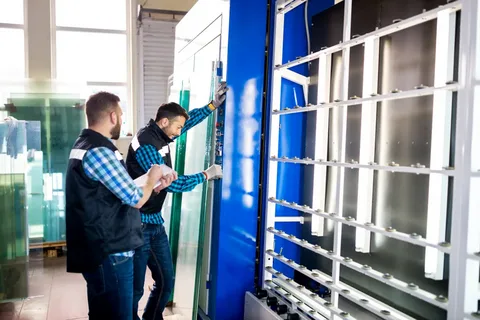
A sliding glass door should move smoothly along its track without requiring excessive force. When it becomes difficult to open, makes scraping noises, or starts sticking halfway, worn rollers may be responsible. In many cases, replacing the damaged components is more practical than replacing the entire door.
Choosing the correct sliding door replacement rollers is important because the wrong size or design can affect the door's movement, alignment, and long-term performance.
Before arranging a replacement, here are some important factors to consider.
1. Identify the Type of Existing Roller
Sliding doors can use different roller designs depending on their construction and manufacturer. Some systems have single-wheel assemblies, while others use double-wheel mechanisms.
Before selecting replacement parts, inspect the existing roller assembly. Its shape, mounting arrangement, and wheel configuration can help determine which replacement is suitable.
Avoid choosing a roller based only on its appearance. Two components may look similar but have different fittings or dimensions.
2. Measure the Roller Assembly Correctly
Accurate measurements help prevent compatibility problems. If possible, remove the old roller assembly and check its dimensions before purchasing a replacement.
Important measurements may include:
-
Overall roller housing height and width
-
Wheel diameter
-
Wheel thickness
-
Mounting position
-
Adjustment screw location
The measurements should match the requirements of the existing door system. If you are unsure how to remove or measure the assembly, ask a professional to inspect it.
3. Check the Wheel Material
Roller wheels are made from different materials, and their suitability depends on the door design and expected use.
Some assemblies use nylon wheels, while others use metal or alternative materials. The correct option depends on the original system, door weight, track condition, and manufacturer specifications.
Choosing an unsuitable material can lead to poor movement or faster wear. It is better to match the replacement component to the door's requirements rather than selecting a product based only on price.
4. Consider the Weight of the Sliding Door
Large glass sliding doors can be considerably heavier than smaller interior panels. Their rollers must support the door's weight while allowing it to move along the track.
An incorrectly rated roller assembly may struggle to carry the load. This can contribute to uneven movement, premature wear, or difficulty opening and closing the door.
Check the door's construction and the specifications of the existing roller system before choosing replacement parts. Never assume that a roller designed for a lightweight door will work with a heavy glass panel.
5. Inspect the Track Before Replacing the Rollers
Worn rollers are not always the only reason a sliding door becomes difficult to operate. Dirt, dents, corrosion, and damaged track surfaces can also affect movement.
Before installing new components, inspect the full length of the track. Look for:
-
Accumulated dust and debris
-
Bent or uneven sections
-
Scratches and worn surfaces
-
Signs of corrosion
-
Areas where the wheel may be catching
Installing new rollers without addressing a damaged track may not solve the problem. The entire sliding mechanism should be checked to identify the actual cause.
6. Make Sure the Roller Adjustment Is Suitable
Many sliding door systems include adjustable rollers that help control the height and alignment of the door.
If the door sits too low, it may drag against the track or frame. If it is positioned unevenly, the gap between the door and frame may become inconsistent.
Correct adjustment helps the door sit properly and move more smoothly. However, adjustments should be made carefully because excessive changes can affect the door's alignment and locking position.
7. Consider Professional Installation
Replacing rollers in a sliding glass door can be more complicated than it appears. Large glass panels are heavy, and removing them without the correct equipment or technique can create safety risks.
A professional can inspect the door, identify the correct roller assembly, and check the track before completing the replacement.
If you need sliding door roller repair, explain the symptoms clearly. Mention whether the door is sticking, dragging, making unusual noises, or coming out of alignment.
Why Window Seals Should Also Be Part of Property Maintenance
Sliding doors and windows serve different purposes, but both need properly maintained components to perform as intended.
While rollers support smooth door movement, worn seals around windows and doors can allow unwanted air or moisture to enter. Inspect the sealing material for cracks, gaps, and loose sections.
If you notice deterioration, weatherstripping replacement may help restore the barrier around the affected opening, depending on the condition and type of seal.
Checking both systems during routine property maintenance can help you identify small problems before they become more disruptive.
Final Thoughts
Selecting the right sliding door replacement rollers involves more than matching the wheel's appearance. You need to consider the assembly dimensions, wheel material, door weight, track condition, and adjustment mechanism.
If your sliding door has become difficult to operate, arrange an inspection before buying replacement components. Identifying the actual cause of the problem will help you choose a suitable repair and maintain smoother door movement.

 Turkish