


Can travelers explore traditional mountain villages during an Oman Travel Packages?
INTRODUCTION
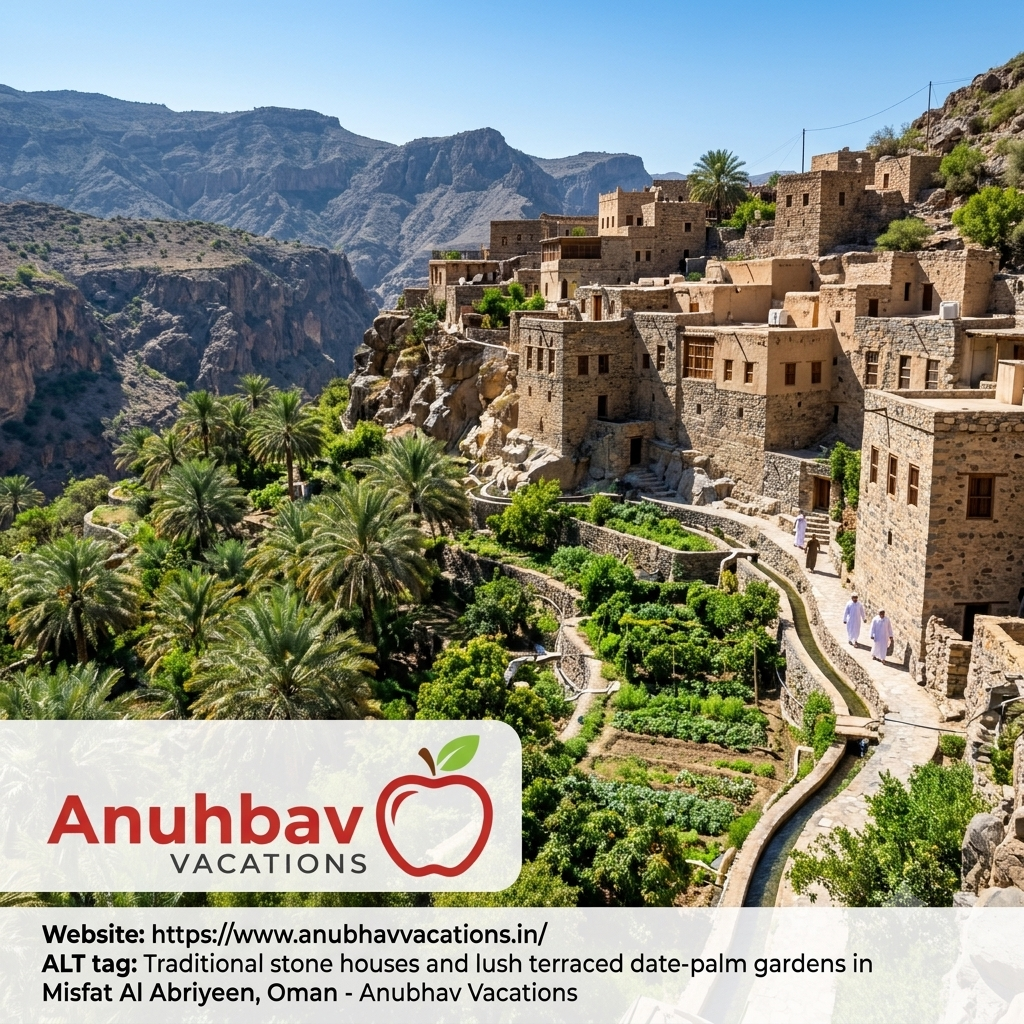
Oman Travel Packages offer travelers an opportunity to discover much more than desert landscapes, historic forts and beautiful coastlines. The country's Al Hajar Mountains are home to traditional villages where stone houses, mud-brick buildings, terraced farms and ancient irrigation channels reveal how communities have adapted to mountain life over generations. Places such as Misfat Al Abriyeen, Al Hamra and Birkat Al Mouz provide a fascinating glimpse into Omani culture and rural traditions. Travelers can explore narrow village lanes, learn about traditional farming, admire mountain scenery and experience the warm hospitality of local communities. Including these villages in an itinerary adds a meaningful cultural dimension to an Oman holiday.
Why Are Oman's Mountain Villages Worth Visiting?
Oman's mountain villages reflect a close relationship between people and their natural surroundings. Many settlements developed on steep slopes or beside natural water sources, where residents built homes using locally available stone, mud and other traditional materials.
Agriculture has played an important role in village life. Date palms, pomegranates, bananas and other crops grow on terraces supported by traditional irrigation systems. These green cultivated areas contrast beautifully with the surrounding rocky mountains.
Visitors can discover:
- Traditional Omani architecture and historic homes.
- Ancient falaj irrigation channels.
- Terraced gardens and small agricultural plots.
- Local customs, crafts and food traditions.
- Scenic walking routes through mountain settlements.
- Views of the Al Hajar range and surrounding valleys.
Exploring these villages also gives travelers an opportunity to understand the everyday heritage of Oman beyond its larger cities and popular attractions.
1. Misfat Al Abriyeen: A Beautiful Traditional Mountain Village
Misfat Al Abriyeen is one of Oman's best-known traditional mountain villages. Located in the Al Hamra area of Ad Dakhiliyah Governorate, it sits on the slopes of the Al Hajar Mountains and is recognised for its old stone and mud-brick houses, narrow pathways and lush agricultural terraces.
The village is particularly famous for its traditional falaj irrigation system. These channels carry water through the settlement and distribute it to gardens and orchards. The system has supported local agriculture for generations.
What Can Travelers Experience?
Explore the old village lanes: Walking through Misfat's narrow lanes allows visitors to appreciate its traditional architecture. Houses are built close together, following the natural shape of the mountainside.
Discover terraced farms: Date palms, banana trees and pomegranate plants grow across the cultivated terraces. These gardens create a striking contrast with the dry mountain surroundings.
Learn about falaj irrigation: Travelers can observe how water is channelled through the village and understand its importance for farming and daily life.
Experience local hospitality: Some visitors choose to stay in heritage guesthouses or enjoy refreshments at local establishments, offering a closer connection with village life.
Misfat Al Abriyeen is especially appealing to travelers interested in cultural experiences, photography and gentle walks through historic settlements.
2. Al Hamra: Discover Traditional Omani Architecture
Al Hamra is a historic town near the foothills of the Al Hajar Mountains. It is known for its old mud-brick houses, traditional streets and agricultural heritage. Some of its historic buildings have been preserved to show how families lived in earlier generations.
The town's architecture is particularly interesting because many houses feature multiple floors, wooden beams and traditional building materials. Their design reflects the climate, available resources and lifestyle of the region.
Experiences to Enjoy in Al Hamra
Visit the old settlement: Travelers can explore the traditional neighbourhood and observe the construction styles used in older Omani homes.
Discover Bait Al Safah: This heritage house offers visitors an opportunity to learn about traditional domestic life, household activities and local customs through cultural demonstrations.
Explore the local souq: Traditional markets provide opportunities to discover regional products, handicrafts and local food items.
Learn about date farming: The surrounding agricultural areas help visitors understand the importance of date palms and traditional farming practices.
Al Hamra can be combined with Misfat Al Abriyeen on a cultural excursion, as the two destinations are located relatively close to each other.
3. Birkat Al Mouz: An Oasis Village With Historic Ruins
Birkat Al Mouz is a traditional settlement near Nizwa, at the entrance to the Jabal Akhdar mountain region. It is known for its date plantations, old houses, historic ruins and traditional irrigation channels.
The village offers a different atmosphere from the rocky settlements higher in the mountains. Its cultivated surroundings create a green oasis landscape, making it an attractive stop for visitors exploring the Nizwa and Jabal Akhdar area.
Highlights of Birkat Al Mouz
Explore the old village: Travelers can walk through sections of the historic settlement and observe traditional houses and ruins.
See the falaj channels: The irrigation system demonstrates how communities distributed water to their farms and gardens.
Visit the date plantations: The surrounding groves provide an opportunity to learn about the agricultural importance of dates in Oman.
Discover the historic surroundings: The village's old buildings and nearby viewpoints create interesting opportunities for photography and cultural exploration.
Birkat Al Mouz is a rewarding addition to an itinerary that combines mountain scenery with Oman's traditional settlements.
4. The Villages of Jabal Akhdar: Mountain Life Above the Clouds
Jabal Akhdar, meaning Green Mountain, is part of the Al Hajar range and is famous for its elevated landscapes, cooler climate and agricultural terraces.
The region includes several traditional villages, including Al Ayn, Ash Shirayjah and Sayq. These settlements are surrounded by orchards and terraced farms that have adapted to the mountainous environment.
What Makes These Villages Special?
Rose cultivation: Jabal Akhdar is particularly famous for its Damask roses. During the flowering season, visitors may see rose gardens and learn about traditional rose-water production.
Pomegranate farming: The region is also known for pomegranates and other fruit crops grown on mountain terraces.
Traditional houses: Village buildings reflect the use of stone and locally available materials suited to the mountain environment.
Panoramic viewpoints: The elevated location provides impressive views of deep valleys, rugged cliffs and distant peaks.
Travelers can explore selected village paths and agricultural areas with local guides. Some walks involve uneven terrain and steep sections, so suitable footwear is recommended.
5. Wakan Village: Terraced Farms and Mountain Scenery
Wakan is a small mountain village in Oman's Al Hajar region, known for its agricultural terraces and dramatic setting. Its location makes it particularly attractive to visitors who enjoy rural landscapes and outdoor exploration.
The village is surrounded by mountains and cultivated slopes, where fruit trees and other crops grow on stepped terraces.
Experiences Around Wakan
Village walks: Visitors can explore the settlement and enjoy views of the surrounding mountains.
Agricultural landscapes: Terraced farms reveal how residents use limited flat land to cultivate crops.
Photography: The combination of stone buildings, green terraces and rugged mountain scenery creates attractive photographic opportunities.
Local interactions: With appropriate respect for residents and private property, travelers can learn about village life and the agricultural traditions of the area.
Wakan is best suited to travelers who enjoy walking and are comfortable exploring rural mountain terrain.
What Can Travelers Learn About Traditional Omani Village Life?
A visit to a mountain village offers more than sightseeing. It provides an opportunity to understand the customs, agricultural knowledge and community traditions that have shaped rural Oman.
1. Traditional Irrigation Systems
The falaj system is an important part of Oman's agricultural heritage. It channels water from natural sources to farms, gardens and settlements through carefully maintained waterways.
Visitors can learn how these systems support crops in a dry climate and why communities have worked together to maintain them.
2. Farming and Seasonal Produce
Mountain communities cultivate a variety of crops depending on elevation, water availability and seasonal conditions. Dates, pomegranates, bananas and roses are among the products associated with different areas.
Travelers may encounter local farming activities or learn about traditional harvesting methods during guided visits.
3. Architecture and Building Traditions
Traditional village homes were designed using materials available in the surrounding environment. Stone, mud, palm wood and other natural resources were used to construct houses suited to local conditions.
The layout of old settlements also reflects the importance of family connections, shared spaces and access to water.
4. Food and Hospitality
Local food can be an important part of a cultural visit. Travelers may have opportunities to sample Omani coffee, dates, halwa and traditional meals, depending on the village and arrangements.
Respectful interaction with residents makes these experiences more meaningful.
How Can Travelers Include Mountain Villages in an Oman Itinerary?
Mountain villages can be included in a wider journey through northern Oman. The best route depends on the available time, starting point and preferred activities.
A possible cultural route could include:
- Muscat: Begin with the capital's traditional markets, historic sites and coastal attractions.
- Nizwa: Explore the historic town, its fort and traditional souq.
- Birkat Al Mouz: Discover the oasis settlement and its irrigation heritage.
- Al Hamra: Explore traditional mud-brick architecture and local heritage.
- Misfat Al Abriyeen: Walk through the terraced gardens and old village lanes.
- Jabal Akhdar: Enjoy mountain viewpoints, rose-growing areas and traditional settlements.
A carefully planned Oman Tour Packages From Mumbai itinerary can coordinate these destinations with suitable transport, accommodation and guided experiences.
Travelers should remember that mountain roads can be steep and winding. Access to Jabal Akhdar also has specific vehicle requirements, so it is important to confirm current entry arrangements before travelling.
Best Time to Explore Oman's Traditional Mountain Villages
The cooler months are generally the most comfortable for exploring Oman's mountain settlements.
October to March: These months usually offer pleasant conditions for village walks, sightseeing and outdoor activities. The cooler weather makes it easier to spend time exploring historic lanes and agricultural areas.
April to May: Temperatures begin to rise, although higher mountain locations can remain more comfortable than lower-lying areas. Travelers should plan walks during cooler parts of the day.
June to September: Summer conditions can be hot in many parts of Oman, but the higher Al Hajar Mountains generally offer cooler conditions than the plains. Jabal Akhdar's rose season is also associated with the spring months, with exact flowering periods varying by year.
Travelers should check local weather and road conditions before setting out, particularly when planning hikes or visits to remote villages.
Planning From India: Important Travel Tips
Travelers considering Oman Travel Packages From India can make their journey more comfortable by preparing for the country's mountain terrain and cultural expectations.
A few useful tips include:
- Choose suitable transport: A capable vehicle and experienced driver are important for mountain roads.
- Wear comfortable footwear: Village lanes may include stone steps, uneven paths and steep sections.
- Dress respectfully: Modest clothing is appropriate when visiting traditional communities and religious places.
- Respect local privacy: Ask permission before photographing residents, homes or private property.
- Support local businesses: Consider purchasing local products or choosing community-based accommodation where available.
- Carry water: Walking in mountain areas can still be tiring, even during cooler months.
- Check access conditions: Confirm vehicle requirements, road conditions and any applicable permits before visiting protected areas.
These simple preparations help travelers enjoy village experiences while respecting the people and heritage of the region.
Conclusion
Traditional mountain villages reveal a fascinating side of Oman, where historic architecture, terraced agriculture and ancient irrigation systems remain closely connected with everyday life. From the stone pathways of Misfat Al Abriyeen and the heritage houses of Al Hamra to the cultivated landscapes of Birkat Al Mouz and Jabal Akhdar, each destination offers a distinctive cultural experience. Including these settlements in an itinerary allows travelers to appreciate Oman's mountain heritage alongside its natural beauty. With thoughtful planning and respect for local communities, Anubhav Vacations can help travelers discover the charm of traditional Omani village life.
Frequently Asked Questions
1. Which traditional mountain villages are worth visiting in Oman?
Misfat Al Abriyeen, Al Hamra, Birkat Al Mouz and the villages of Jabal Akhdar are among the most interesting places to explore. Each offers a different combination of traditional architecture, agricultural landscapes and cultural heritage.
2. Can travelers explore Misfat Al Abriyeen on foot?
Yes. Visitors can walk through the village's narrow pathways, admire its traditional houses and explore selected agricultural terraces. Comfortable footwear is recommended because some paths are steep and uneven.
3. What is the falaj irrigation system in Oman?
Falaj is a traditional water-distribution system that channels water from natural sources to farms and settlements. It has played an important role in supporting agriculture and village life in Oman's dry environment.
4. Are Oman's mountain villages suitable for families?
Many villages can be explored by families, especially when the itinerary includes gentle walks and suitable transport. However, some paths have steps, steep slopes and uneven surfaces, so families should choose activities according to everyone's mobility and fitness.
5. Can Oman Travel Packages include visits to traditional mountain villages?
Yes. Oman Travel Packages can include destinations such as Misfat Al Abriyeen, Al Hamra, Birkat Al Mouz and Jabal Akhdar. Travelers can explore historic homes, terraced farms, traditional irrigation channels and local cultural attractions through guided excursions.

 Turkish