


Custom Packaging: What the Actual Return on Investment Looks Like
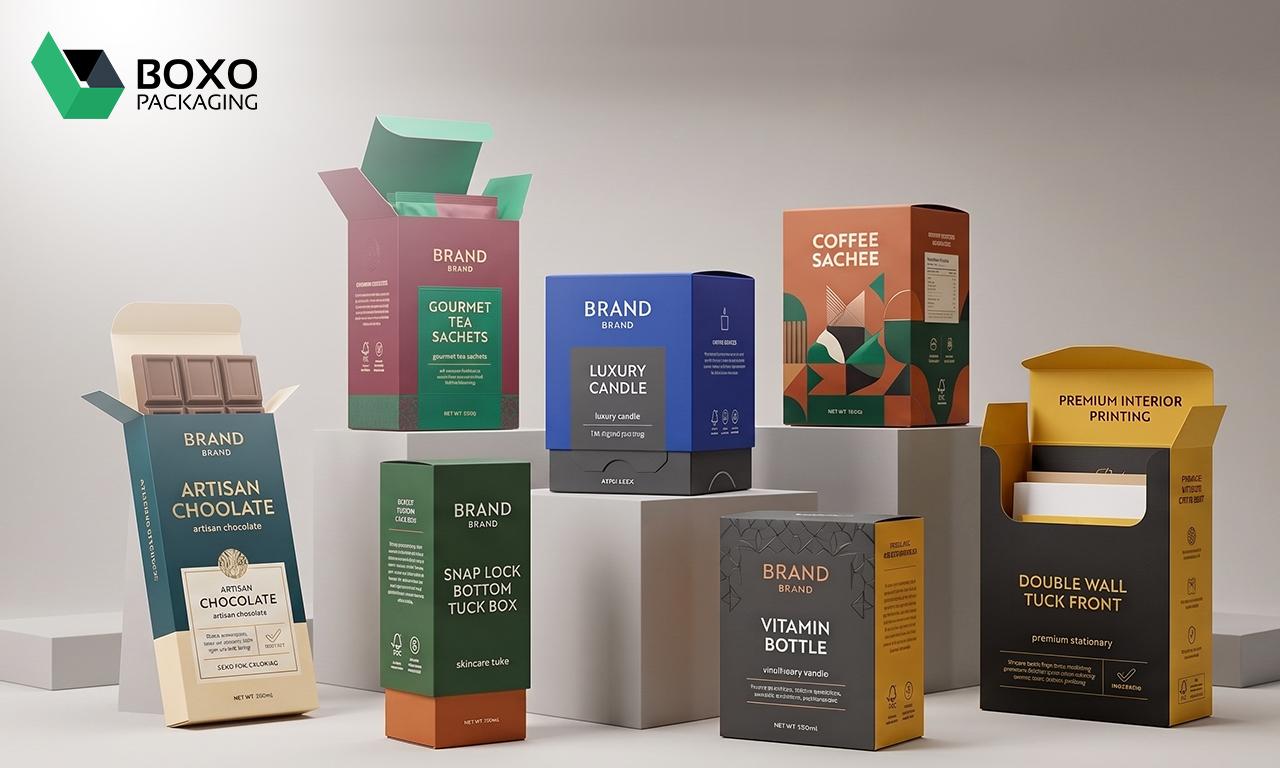
Most businesses budget for packaging the same way they budget for shipping tape, as a cost to minimize. Custom packaging deserves a different mental model, since the data increasingly treats it as a marketing investment with a measurable return, not just a logistics line item.
What Kind of Return Does Custom Packaging Actually Generate?
Custom packaging pays off through a combination of higher repeat purchase rates, fewer damaged returns, and stronger brand recall, all of which lower how much a business spends acquiring each new customer over time.
The scale of that return is larger than most business owners expect. Branded, strategically designed packaging can deliver between 400% and 3,000% return on investment through increased repeat purchase behavior, according to a Shopify analysis cited by Web Tonic's 2026 e-commerce branding research. Even smaller businesses see meaningful upside, with generic to custom packaging upgrades producing sales lifts of 10 to 20%, according to Paper Tube Co research. That range makes custom packaging one of the more measurable investments a growing brand can make.
A supplier like Boxo Packaging typically helps clients model that return before committing to a full production run, since the numbers shift depending on order volume and current packaging quality. Here's what tends to shape whether custom packaging delivers a strong return.
- Baseline packaging quality, since the biggest lift comes from upgrading away from generic stock boxes
- Order volume, which determines how quickly the upfront design and tooling cost gets recovered
- Consistency across every shipment, since one off branding rarely builds lasting recognition
- Material and structural fit, which directly affects damage rates and return costs
Does Brand Recognition From Packaging Actually Change Buying Behavior?
Recognition built through consistent packaging translates into real purchasing behavior, not just brand awareness in the abstract.
Roughly 81% of shoppers say they're more likely to buy from a recognized brand, even at a higher price point, according to 2026 e-commerce branding data compiled by Web Tonic. That's a strong argument for treating custom packaging as part of a pricing strategy, not purely a design decision made in isolation.
Custom Packaging and Overall Market Size
Investment in packaging customization keeps climbing at the market level, which reflects how many businesses are acting on this return on investment data already.
The global custom packaging market was valued at roughly $50.63 billion in 2026 and is projected to reach $81.04 billion by 2034, growing at a 6.06% compound annual rate, according to Fortune Business Insights. That growth gives brands considering custom packaging access to an expanding base of manufacturers competing for their business.
Custom Packaging and Sustainable Material Demand
Sustainability has moved from a nice to have feature to a measurable driver of both loyalty and brand switching behavior.
Roughly 90% of consumers say they're more likely to purchase from brands with sustainable packaging, and 39% report switching brands specifically because of packaging sustainability, according to Paper Tube Co research. That's a significant incentive for brands weighing material choices within their custom packaging strategy.
Custom Packaging and Rigid Format Preference
Rigid structures remain the dominant choice when packaging needs to protect a product reliably while still supporting strong branding.
Rigid packaging formats captured roughly 72.22% of global packaging market revenue in 2025, according to Mordor Intelligence, which is a big part of why so much custom packaging investment still centers on corrugated and paperboard structures.
Return on investment matters for packaging broadly, but structural choice determines a lot of that return before branding even enters the picture. Tuck packaging shows how one specific closure mechanism became the default across a huge share of retail products.
What Actually Makes Tuck Packaging Work Without Tape or Glue?
Tuck packaging refers to folding cartons that close through a flap tucking into a slot, rather than requiring tape, glue, or a separate closure mechanism at the point of sale.
That simple mechanical design is exactly why the format dominates retail shelves. Tuck packaging holds roughly 36.2% of the entire folding carton packaging market, according to 2025 data from GM Insights, making it the single largest structural category in that industry.
How Big Is the Broader Folding Carton Market Supporting Tuck Packaging?
Tuck packaging doesn't exist in isolation, it sits within a much larger and steadily growing folding carton category.
The folding cartons market was valued at roughly $153 billion in 2026 and continues growing near 5% annually, according to Research and Markets, meaning more manufacturers are competing for orders, which generally benefits buyers comparing quotes on tuck packaging runs.
Tuck Packaging and Print Quality Advantages
Print quality is one of the biggest reasons this format remains popular for cosmetics, food, and small retail products specifically.
Smooth paperboard used in tuck packaging takes high resolution printing far better than corrugated material, which matters when a shopper is comparing several similar looking products and deciding largely on shelf appearance.
Tuck Packaging and Sustainable Material Shifts
Sustainability is reshaping material choice in tuck packaging the same way it's reshaping packaging decisions across the broader industry.
Sustainable packaging is now a purchase factor for 67% of U.S. online shoppers under 40, according to 2025 NielsenIQ research, giving brands using tuck packaging a clear financial reason to shift toward recycled paperboard options.
Tuck Packaging and Lightweight Shipping Advantages
Weight matters for tuck packaging shipped wholesale to retail partners, not just for products sold directly off a local shelf.
Because tuck packaging relies on lighter paperboard than corrugated shipping cartons, it helps brands manage freight costs on wholesale orders, since lighter packaging typically means lower dimensional weight charges from carriers.
Both categories reward businesses that think about packaging as a financial decision, not just an aesthetic one. packaging pays off through repeat purchases and brand recognition, while tuck packaging pays off through a structural format that's cheap to produce and easy to brand. A supplier like Boxo Packaging can usually help a business figure out where that return actually shows up in their specific numbers.

 English