


Why Do Industries Prefer RR Kabel Wires and Cables?
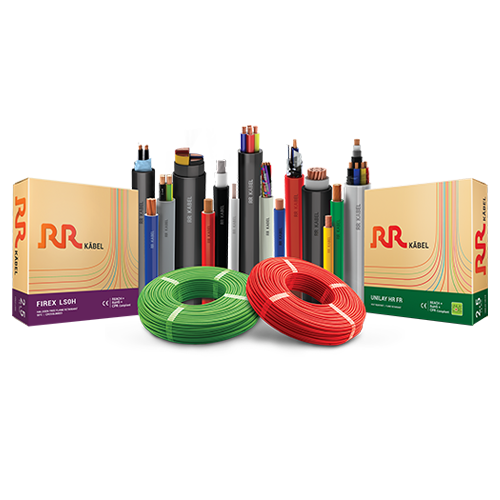
Electrical systems are the backbone of modern industrial operations. From manufacturing plants and warehouses to commercial facilities and infrastructure projects, industries depend on reliable wiring and cabling to distribute power safely and efficiently. Choosing the right electrical cable is therefore an important decision that can influence operational reliability, installation quality, maintenance requirements, and long-term performance.
RR Kabel offers a wide range of wires and cables designed for residential, commercial, and industrial applications. But why do industries consider established cable brands when planning electrical installations? The answer lies in a combination of product quality, application suitability, safety considerations, and the ability to meet different electrical requirements.
Designed for Different Industrial Requirements
Industrial facilities do not have a single type of electrical requirement. A manufacturing plant may need cables for motors, control panels, machinery, lighting, power distribution, and other equipment. Each application can have different voltage, current, temperature, and installation requirements.
RR Kabel provides various wire and cable options, allowing electrical professionals to select products according to the specific needs of an installation. Choosing the appropriate cable based on conductor size, insulation, voltage rating, and application can help create a dependable electrical infrastructure.
Focus on Electrical Safety
Safety is one of the most important considerations when selecting wires and cables for industrial installations. Electrical systems can carry substantial loads, and unsuitable wiring can increase the risk of overheating, insulation failure, short circuits, and other electrical problems.
Quality cables with appropriate insulation and construction can help support safer electrical installations when correctly specified, installed, and maintained. Industries therefore tend to prefer established manufacturers whose products are designed and tested according to relevant standards.
However, cable quality alone is not enough. Proper sizing, installation practices, protection devices, termination, and regular inspection are also essential for electrical safety.
Reliable Power Distribution
Industrial equipment often requires continuous and stable electrical power. Motors, pumps, compressors, machinery, HVAC systems, production lines, and other equipment depend on properly designed power distribution networks.
Selecting cables with suitable current-carrying capacity and voltage ratings can help ensure that electrical power reaches equipment effectively. RR Kabel's range of products can be considered for different power distribution applications depending on the installation requirements.
Proper cable selection can also help reduce issues associated with excessive voltage drop or conductor heating.
Suitable for Diverse Applications
Another reason industries look for established cable manufacturers is the availability of products for different applications. A single industrial facility may require several types of cables depending on where they are installed.
Power cables may be required for electrical distribution, while control cables can connect machinery and automation systems. Flexible cables may be appropriate for equipment involving movement, while specialized cables can be selected for particular environmental or installation conditions.
Having access to a broad product range makes it easier for electrical contractors and industrial teams to identify suitable solutions.
Durability for Industrial Environments
Industrial environments can be demanding. Cables may be exposed to heat, moisture, dust, chemicals, mechanical stress, vibration, or continuous operation.
The right cable construction and insulation can help address these conditions. Before selecting a product, industries should evaluate the environment in which the cable will be installed and choose a solution designed for those specific conditions.
This application-based approach can contribute to better cable performance and reduce the likelihood of premature deterioration.
Supporting Efficient Installation
Industrial projects often involve large electrical installations where thousands of metres of wires and cables may be required. Installation efficiency becomes an important consideration for contractors and project teams.
Cable flexibility, construction, identification, and suitability for the installation method can influence how easily electrical teams can route and terminate cables. Selecting products appropriate for the installation can help improve workflow and reduce unnecessary complications during electrical work.
Importance of Standards and Specifications
Industrial electrical projects typically have specific technical requirements. Depending on the application and location, cables may need to comply with applicable national or international standards.
Established cable manufacturers provide technical specifications and product information that can help engineers and contractors evaluate whether a particular cable is suitable for their project. Reviewing technical documentation is essential before finalizing a product for an industrial installation.
Long-Term Value
The initial price of a cable is only one part of its overall value. Industries also need to consider reliability, maintenance, replacement requirements, installation costs, and potential downtime.
A cable that is correctly selected for its application can contribute to dependable electrical infrastructure over its intended service life. This is particularly important in industries where unexpected electrical failures can interrupt production and increase operational costs.
Conclusion
Industries prefer established wire and cable brands such as RR Kabel because electrical infrastructure demands consistency, safety, suitable specifications, and dependable performance. From power distribution and machinery connections to control and other industrial applications, the right cable can play an important role in maintaining a reliable electrical system.
However, selecting the right product should always begin with the application's actual requirements. Voltage, current, installation method, environmental conditions, mechanical stress, applicable standards, and system design should all be evaluated before choosing a wire or cable.

 Turkish