Finding the best thermal imaging camera can be challenging because different models are designed for different applications. Whether you are inspecting electrical systems, checking building insulation, working on automotive repairs, monitoring machinery, or conducting professional inspections, the right thermal camera should provide accurate temperature readings, clear thermal images, and dependable performance.
Unlike conventional cameras, thermal imaging cameras detect infrared radiation and convert heat differences into visible images. This makes it possible to identify temperature variations that cannot be seen with the naked eye. A good thermal camera can therefore become a valuable diagnostic tool for professionals, technicians, inspectors, and even serious DIY users.
However, choosing a suitable model requires more than simply looking at the highest resolution or most expensive option. Factors such as thermal sensitivity, temperature range, image resolution, measurement accuracy, durability, software capabilities, and intended use should all be considered.
How Does a Thermal Imaging Camera Work?
A thermal imaging camera uses an infrared sensor to detect heat energy emitted by objects. Every object above absolute zero produces some level of infrared radiation, although the amount varies according to its temperature and surface characteristics.
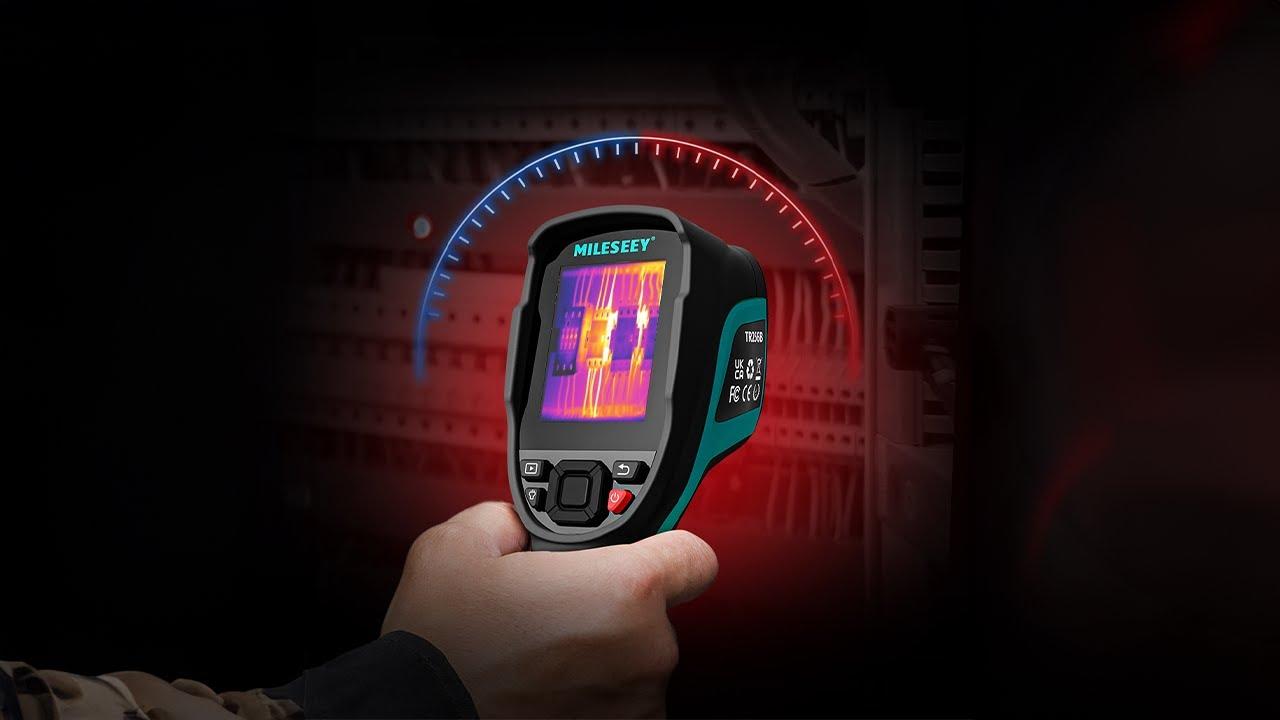
The camera processes this infrared information and displays it as a thermal image. Different temperatures are normally represented by different shades or colors, allowing users to quickly identify hot and cold areas.
For example, an electrical connection that is overheating may appear significantly warmer than surrounding components. Similarly, missing insulation inside a wall can create noticeable temperature differences that can be detected through thermal imaging.
The basic process includes:
- Infrared radiation is detected by the camera's sensor.
- The sensor converts infrared energy into electrical signals.
- Internal processing converts those signals into temperature information.
- A thermal image is displayed on the camera's screen.
- Temperature measurements can then be analyzed and recorded.
Because heat patterns are being measured rather than visible light, thermal cameras can also be useful in situations where ordinary photography provides limited information.
What Should You Look for in the Best Thermal Imaging Camera?
There is no single thermal camera that is perfect for every user. The best thermal imaging camera depends heavily on the job it will be used for.
Before buying one, consider the following specifications and features.
Thermal Resolution
Thermal resolution determines how much detail can be captured in a thermal image. A camera with a higher infrared resolution can generally display smaller temperature differences and more detailed heat patterns.
For basic home inspections, a lower-resolution camera may be sufficient. Professional building inspectors, electricians, mechanical technicians, and industrial users may benefit from higher-resolution sensors.
Common thermal resolutions include:
- 160 × 120 pixels
- 256 × 192 pixels
- 320 × 240 pixels
- 384 × 288 pixels
- 640 × 480 pixels
Higher resolution can be particularly valuable when small components need to be inspected from a distance.
Thermal Sensitivity
Thermal sensitivity, often expressed as NETD, indicates how well a camera can distinguish small temperature differences.
A lower NETD value generally means that the sensor can detect smaller differences in temperature. This becomes particularly important when inspecting building insulation, moisture-related temperature patterns, or electronic components.
For professional applications, thermal sensitivity should not be overlooked simply because a camera has a high pixel count.
Temperature Measurement Range
Different applications require different temperature ranges.
For example, a homeowner inspecting insulation may not need the same temperature range as an industrial technician working around high-temperature machinery.
When comparing thermal cameras, check:
- Minimum measurable temperature
- Maximum measurable temperature
- Accuracy across the measurement range
- Whether multiple measurement modes are available
The appropriate range should match the environments where the camera will actually be used.
Why Is Image Quality Important?
Thermal image quality affects how easily temperature patterns can be interpreted. A camera may provide accurate measurements, but if the thermal image lacks useful detail, identifying the source of a problem can become more difficult.
Some modern thermal cameras combine infrared imaging with a standard digital camera. This allows users to compare the thermal image with a conventional photograph.
Useful image-enhancement features can include:
- Visual and thermal image blending
- Picture-in-picture display
- Adjustable thermal palettes
- Digital zoom
- On-screen temperature markers
- Hot and cold spot tracking
These features can make reports easier to understand, particularly when images are shared with customers or colleagues.
Which Thermal Imaging Camera Is Best for Home Inspections?
Homeowners and property inspectors often use thermal cameras to identify unusual temperature patterns around buildings.
Potential applications include:
- Finding areas with missing insulation
- Identifying air leakage
- Checking heating systems
- Locating possible moisture-related problems
- Inspecting windows and doors
- Evaluating underfloor heating
- Checking electrical panels
For these applications, an extremely expensive industrial camera may not be necessary. A compact model with adequate thermal resolution, good temperature measurement, and simple reporting features can often provide sufficient information.
It should be remembered that thermal imaging does not directly show moisture, electrical faults, or structural damage. Instead, it identifies temperature differences that may indicate an underlying issue. Additional inspection methods should therefore be used when necessary.
What Makes a Thermal Camera Useful for Electrical Inspections?
Electrical technicians frequently use thermal imaging to identify abnormal heat patterns.
Loose connections, overloaded circuits, damaged components, and unbalanced electrical loads can sometimes produce unusual temperatures. These problems may be difficult to identify during a visual inspection.
A thermal camera allows technicians to inspect electrical equipment without relying entirely on visible signs of damage.
Important features for electrical work include:
- Suitable temperature range
- Accurate temperature measurement
- Good thermal resolution
- Safe operating distance
- Clear display
- Image and video recording
- Data storage and reporting options
Electrical equipment should always be handled according to appropriate safety procedures. Thermal imaging can support an inspection, but it should not replace established electrical testing methods.
Should You Choose a Standalone or Smartphone Thermal Camera?
Thermal cameras are available in different designs. Standalone handheld units are common among professionals, while smartphone-compatible thermal attachments are popular for portability.
Standalone Thermal Cameras
Standalone units usually include their own display, battery, controls, and thermal sensor.
They can be useful when:
- The camera will be used frequently.
- A rugged design is required.
- Professional reporting is important.
- Extended field use is expected.
- More advanced measurement features are needed.
Smartphone Thermal Attachments
Phone-connected thermal cameras are generally smaller and easier to carry.
They can be suitable for:
- DIY inspections
- Quick troubleshooting
- Home maintenance
- Basic mechanical checks
- Occasional professional use
The smartphone itself may provide additional functionality through a companion application, where thermal images can be captured, annotated, stored, and shared.
What About Durability and Battery Life?
A thermal camera may have impressive specifications, but those features become less useful if the device cannot handle the environment where it will be used.
For professional fieldwork, look for a device with:
- Rugged construction
- Drop resistance
- Dust protection
- Appropriate water resistance
- Comfortable controls
- Replaceable or long-lasting battery
- Sufficient storage capacity
Battery life should also be considered. A technician working throughout the day may need considerably more battery capacity than someone performing occasional home inspections.
Software and Reporting Features Matter Too
Modern thermal imaging is not limited to viewing images on a small screen. Many cameras allow thermal images to be transferred to computers or mobile devices for further analysis.
Reporting capabilities can be particularly useful for professionals.
Depending on the model, software may allow users to:
- Add temperature readings
- Mark specific areas
- Adjust thermal palettes
- Compare different temperature points
- Store inspection records
- Export images
- Create professional reports
For businesses that provide inspection services, these features can save time and make findings easier to communicate to customers.
How Much Should You Spend on a Thermal Imaging Camera?
The price of thermal imaging equipment varies considerably. Entry-level devices can be relatively affordable, while professional and industrial models can cost substantially more.
Instead of choosing a camera based solely on price, consider the value it provides for your particular application.
A basic user may prioritize:
- Affordable pricing
- Simple controls
- Compact size
- Smartphone connectivity
- Reasonable thermal resolution
A professional user may prioritize:
- Higher thermal resolution
- Better sensitivity
- Greater measurement accuracy
- Wider temperature ranges
- Rugged construction
- Advanced reporting
- Calibration and support
The most expensive camera is not automatically the best thermal imaging camera. The best choice is the model that provides the features and measurement capabilities required for the intended work.
Common Mistakes to Avoid When Buying a Thermal Camera
A thermal camera should be selected based on practical requirements rather than marketing specifications alone.
Some common mistakes include:
Focusing Only on Resolution
Higher resolution is useful, but it is not the only factor affecting thermal image quality. Sensitivity, optics, measurement accuracy, and software also matter.
Ignoring the Temperature Range
If the camera cannot measure the temperatures present in your working environment, its usefulness will be limited.
Choosing Based Only on Price
A cheaper model may be adequate for occasional inspections, while professional users may require additional capabilities that justify a higher investment.
Forgetting About Software
Inspection reports and image analysis can become much easier when suitable software is included.
Overlooking the Lens and Field of View
A narrow field of view may be helpful for distant or detailed inspections, while a wider field of view can be more practical for inspecting larger areas at close range.
How Can You Get More Accurate Thermal Measurements?
Thermal cameras provide valuable information, but measurements can be affected by environmental and surface conditions.
For better results:
- Understand the camera's measurement limitations.
- Keep the lens clean.
- Use an appropriate measurement distance.
- Consider the object's emissivity.
- Avoid measuring highly reflective surfaces without understanding their effect.
- Allow the camera to reach its operating temperature when required.
- Compare abnormal areas with nearby reference areas.
- Follow the manufacturer's measurement guidelines.
It is also important to understand that a thermal image shows surface temperature patterns rather than the internal temperature of an object.
For professional inspections, proper training and interpretation are recommended. Misinterpretation of thermal patterns can lead to incorrect conclusions.
Final Thought
Choosing the best thermal imaging camera ultimately comes down to matching the camera's capabilities with the work you need it to perform. Resolution, thermal sensitivity, temperature range, accuracy, durability, battery life, lens options, and software should all be evaluated before making a decision. For occasional home inspections, a compact and easy-to-use model may be enough, while professionals may benefit from advanced sensors, stronger construction, and comprehensive reporting tools. By focusing on practical requirements instead of specifications alone, you can select a thermal imaging camera that provides useful, reliable information and delivers better value over time.




 Turkish