


How to Choose the Right Custom Packaging for Your Products
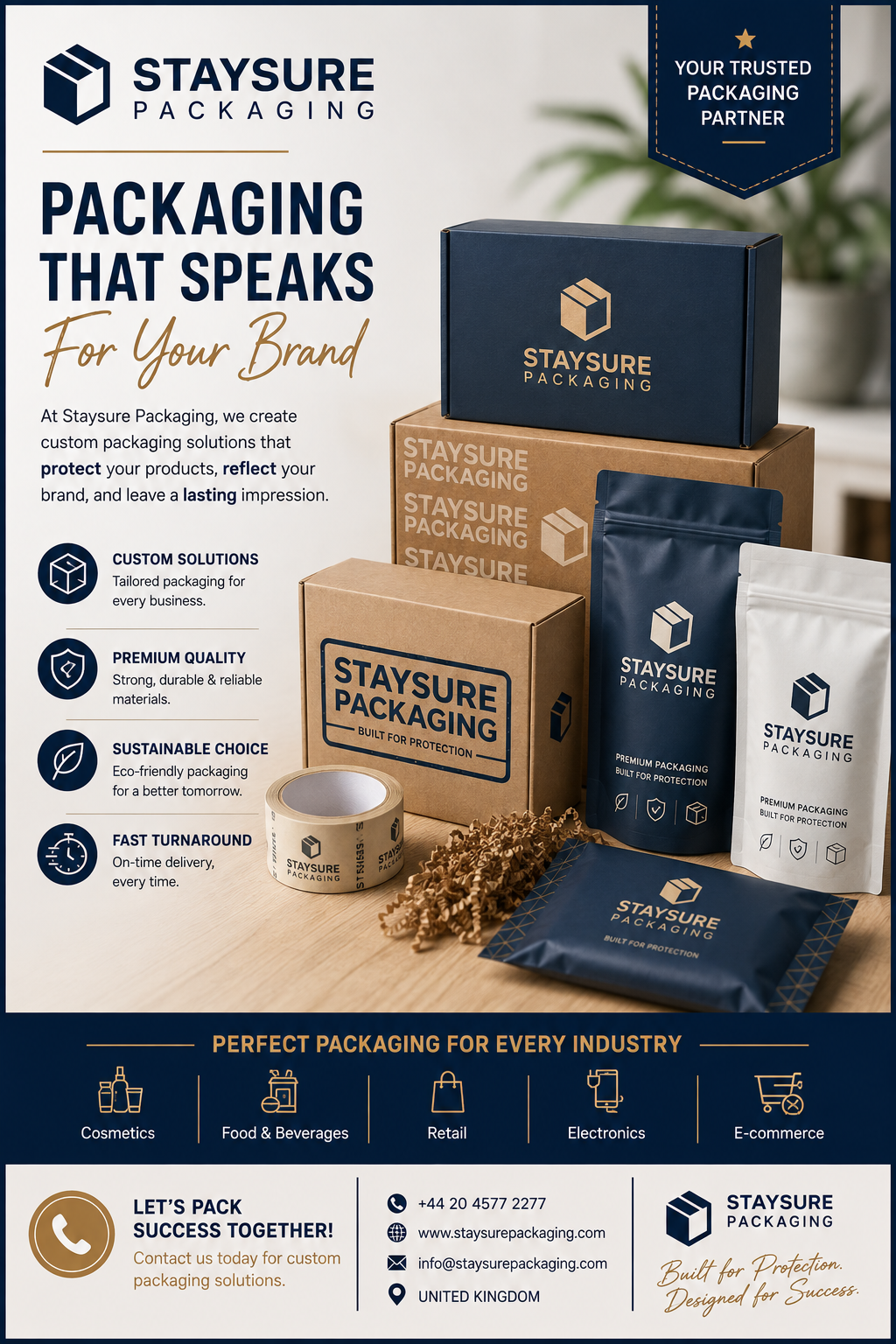
Choosing the right packaging matters more than most folks realize. It protects products, shapes first impressions, and guides how customers feel about a brand. The right box can reduce returns and boost perceived value. This guide walks through practical steps so you can pick packaging that truly fits your products and your business.
Think of packaging as part of your product’s story. It should protect, inform, and delight—without breaking the bank. Below is a practical path from goals to final picks, with real-world tips you can apply today.
Clarify Your Packaging Goals
Protect and preserve product quality. Packaging must shield items from damage during handling and transit. If the product is fragile, add inserts or padding to minimize movement.
Enhance brand perception and shelf appeal. Color, typography, and imagery on the box should reflect your vibe. A strong package helps your product stand out in busy aisles or online thumbnails.
Understand Your Product Needs
Size, weight, and fragility influence your chosen construction. A tight fit reduces shifting and damage during shipping.
Storage and transit conditions matter. If items face humidity or temperature changes, pick materials with appropriate moisture or heat resistance.
Know Your Audience and Retail Channel
Target shopper demographics shape packaging preferences. Younger buyers might respond to bold visuals, while premium segments expect clean, minimal design.
In store vs online packaging requirements differ. Online orders often need inner protection and tamper evidence, while shelf-ready packaging emphasizes branding at a glance.
Explore Material Options
Paperboard and corrugated options cover most needs. Plain boxes work for simple protection, while double-wall cartons suit heavier items.
Flexible packaging vs rigid boxes each have a role. Flexible options save space and reduce weight, while rigid boxes convey premium feel.
Design Considerations for Impact and Function
Branding through color, typography, and imagery should clearly convey your story. Keep information legible with clear contrasts and readable fonts.
Clear product information and regulatory labeling prevent missteps at the point of purchase. Use concise specs and safety notices when required.
Sourcing and Manufacturing Realities
In house vs outsourced packaging production affects speed and control. Outsourcing can free up capacity but requires strong communication and specs.
Minimums, lead times, and scalability matter. Plan for peak seasons with a flexible supplier who can grow with you.
Costing Your Packaging Solution
Total cost of ownership includes transport, returns, and waste. A cheaper box that damages items costs more in the long run.
Cost drivers by material and construction show where to save. Thinner walls save weight, but may require better cushioning inside.
Compliance and Safety Standards
Labeling requirements and certifications keep products compliant in different markets. Check for size, language, and content rules before printing.
Child resistance and safety considerations apply to certain items. Build in tamper evidence where needed and document testing results.
Sustainability and End of Life
Recyclability and compostability options help close the loop. Use materials that fit local recycling streams when possible.
Responsible sourcing matters. Traceable supply chains reassure buyers that packaging choices align with values.
Prototyping, Testing, and Validation
Functional tests cover drop, vibration, and compression to mimic real handling. Adjust materials or inserts based on results.
Shelf life and climate testing protect products from surprises. Gather feedback from actual users to refine label readability and usability.
Implementation Plan
Timeline from concept to launch keeps teams aligned. Map milestones and assign clear responsibilities to avoid delays.
Risk assessment and contingency planning prevent last-minute surprises. Build fallback options for supply gaps or weather events.
Case Studies or Examples
Short profiles show how brands solved common packaging challenges. Look for measurable outcomes like reduced damage or improved unboxing experiences.
Learnings from real setups translate into practical tweaks you can adopt for your line.
Decision Checklist and Quick Reference
Key questions to answer before selecting a solution help you stay focused. Use a simple scoring rubric to compare options side by side.
Final sign-off criteria ensure everyone agrees on the chosen path and knows their responsibilities for launch.
Next Steps and Resources
How to start the packaging search includes a plan for gathering quotes, samples, and vendor references. Keep notes on what matters most to your product and customers.
Recommended partners and suppliers can speed up discovery if you know what to ask for. Helpful templates and checklists keep conversations productive.
FAQs
What should I consider first when picking packaging?
Focus on protecting the product and communicating your brand. The box should fit the item snugly and present key details clearly.
Is it better to choose rigid or flexible packaging for a new product?
Rigid offers a premium feel and strong protection, while flexible packaging reduces weight and costs. Your choice depends on product fragility and brand goals.
How can I test packaging without spending a lot upfront?
Start with simple prototypes and quick drop tests. Gather feedback from a small group of customers before scaling up.
What’s the role of sustainability in packaging decisions?
Choose materials that align with local recycling streams. Favor supplier transparency and options that minimize waste.
How do I handle international packaging requirements?
Check labeling language, country-specific safety standards, and packaging waste directives. Build a plan for compliant packaging across markets.

 Turkish