


What Shop Shelving Solutions Do UK Retailers Need?
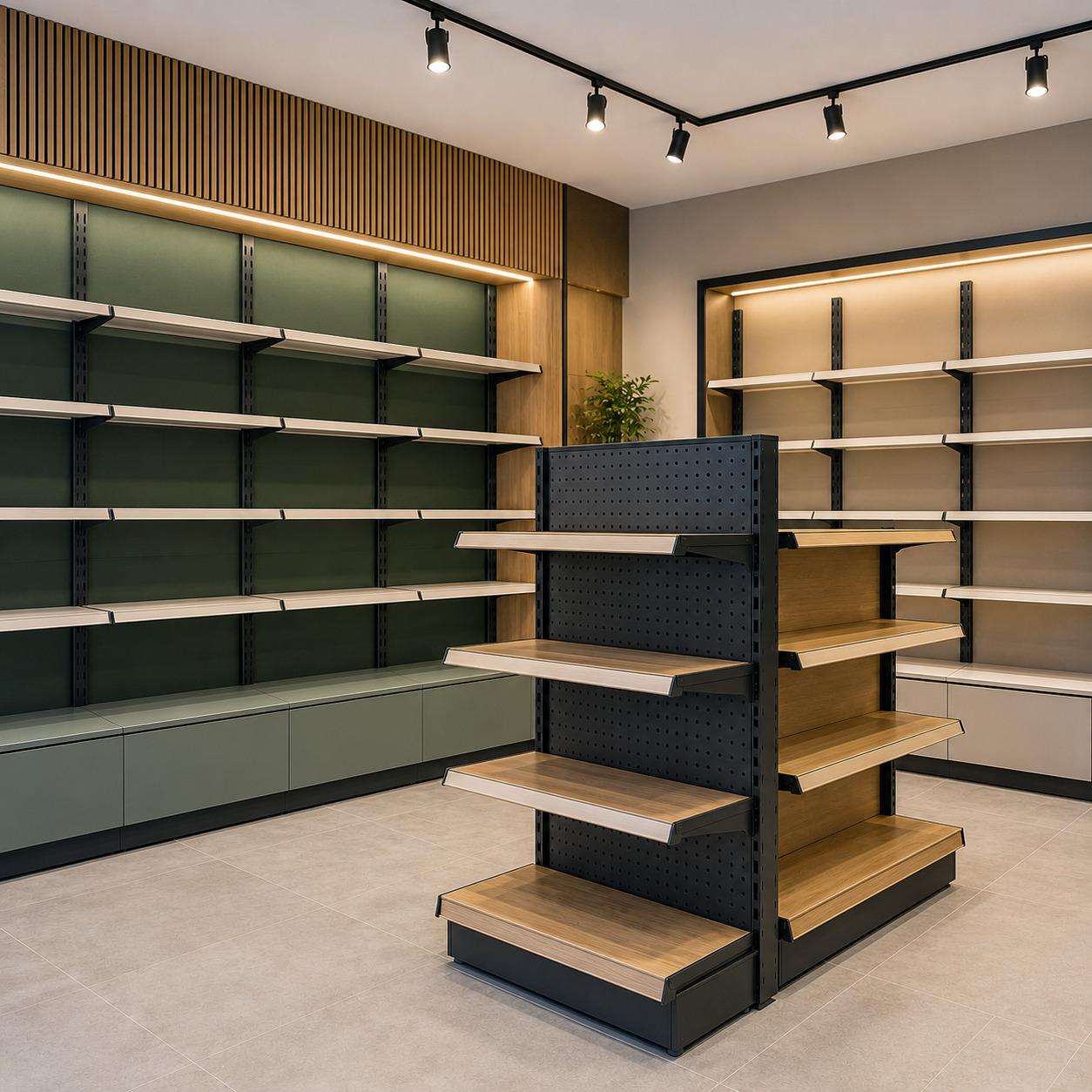
Choosing the right shelving can make a big difference to how a retail shop looks, works, and feels. Products need to be easy to see, stock should be simple to arrange, and customers need enough room to move around without feeling cramped. For this reason, shop shelving in the UK has become an important part of planning an efficient retail space.
From small convenience stores to supermarkets, pharmacies, hardware shops, and specialist retailers, different businesses need different shelving solutions. The right combination can help make better use of floor space while keeping products organised and accessible.
Why Do UK Retailers Need Suitable Shop Shelving?
Every retail business has its own layout, product range, and storage requirements. A shelving system that works well in a large supermarket may not be suitable for a compact convenience shop.
Suitable shop shelving helps retailers:
-
Organise products into clear sections
-
Make better use of available space
-
Keep stock visible and accessible
-
Create defined shopping aisles
-
Make restocking easier
-
Display different product sizes
-
Maintain a neat shop floor
-
Adapt displays when product ranges change
Good shelving isn't simply about adding more storage. It's about using the available space in a sensible way.
What Types of Shop Shelving Do Retailers Need?
There are several types of retail shelving available, and each has a particular purpose. Choosing the right combination depends on the products being sold and the layout of the premises.
Is Gondola Shelving Suitable for Retail Shops?
Gondola shelving is a popular option for many retail environments. It can be used to create central aisles and organise products into different sections.
A single-sided gondola unit can be positioned against a wall, while a double-sided unit can be placed in the centre of the shop. This gives retailers the opportunity to display products on both sides.
The shelves can often be adjusted to suit different product heights, making gondola shelving a flexible option for changing stock ranges.
Why Do Retailers Choose Wall Shop Shelving?
Wall shelving makes use of vertical space that might otherwise remain unused. It's particularly useful in shops where floor space is limited.
Retailers can install shelving along walls to create additional product displays without taking up large areas of the central floor. This can help keep the main shopping area open while still providing plenty of display capacity.
Wall shelving can also be used alongside gondola units to create a complete shop layout.
When Is Supermarket Shelving Needed?
Supermarket shelving is designed for stores with a broad selection of products and regular customer traffic. It can be used to create organised aisles for groceries, household products, beverages, toiletries, and other everyday goods.
Adjustable shelves are especially useful because supermarkets often stock products in many different sizes. Taller spaces can accommodate larger packaging, while smaller gaps can be used for compact products.
What Is Retail Display Shelving Used For?
Retail display shelving is designed to present products clearly while keeping them within easy reach. It's suitable for many different retail environments, including independent stores and specialist shops.
The right display shelving can help divide products into categories and create a consistent appearance throughout the store.
How Can Shop Shelving Help Small Shops?
Small retail premises have to make every bit of space count. Poorly planned shelving can quickly make a shop feel crowded, while an efficient system can create useful display areas without blocking customer movement.
Wall shelving can make good use of vertical space, while shorter gondola units can provide central displays. Adjustable shelves can also help retailers change the layout as their stock requirements develop.
For a small shop, the goal isn't necessarily to fit as many shelves as possible. Instead, it's about finding a balance between product capacity and comfortable movement.
What Shop Shelving Works Best for Larger Stores?
Larger retailers generally have more room to work with, but that doesn't mean layout planning becomes less important. In fact, a larger product range can make organisation even more important.
Long shelving runs can create clearly defined product categories, while double-sided gondola units can form central aisles.
Retailers can also combine different shelving heights and configurations to create a practical layout. End displays may be used to make particular product categories easier to notice, while wall units can provide additional storage and display space.
Can Adjustable Shelving Meet Changing Stock Requirements?
Yes. Product ranges can change throughout the year, and fixed shelf positions may not always provide enough flexibility.
Adjustable shelving allows retailers to alter the height of individual shelves. This makes it easier to accommodate everything from small packets and bottles to larger boxes and containers.
For businesses that regularly introduce new products, adjustable shop shelving can be particularly useful. Instead of replacing the whole unit, retailers can simply modify the shelf arrangement.
How Should Retailers Choose Shelving for Different Products?
Product type should always be considered before selecting shelving. Different goods have different dimensions, weights, and display requirements.
For example, lightweight packaged products may require relatively shallow shelves, while larger household products may need greater depth. Heavy items may require a stronger shelving configuration.
Retailers should consider:
-
Product weight
-
Product height
-
Product width and depth
-
Stock quantity
-
Customer accessibility
-
Frequency of restocking
-
Required shelf spacing
Taking these factors into account can help prevent wasted space and make displays easier to manage.
Why Is Shelf Layout Important for Customer Movement?
A good shelving system should make the store easier to navigate rather than simply filling the available floor area.
Aisles need to provide enough room for customers to browse and move between product sections. Shelves should also be positioned at practical heights so products remain visible and accessible.
When shelving is arranged logically, customers can move from one section to another without confusion. Clear product categories can also make shopping more straightforward.
Can Shop Shelving Improve Stock Management?
Yes. Well-organised shelving can make everyday stock management easier for retail staff.
When products have clearly defined spaces, staff can quickly identify empty areas and restock them. Adjustable shelves can also be changed when stock quantities or product dimensions change.
A consistent shelving layout may reduce the time spent rearranging products and make it easier to maintain a tidy shop floor throughout the day.
What Should Retailers Consider Before Buying Shop Shelving?
Before purchasing shelving, it's worth looking beyond appearance. A unit may look suitable but still be unsuitable for the products or available space.
Retailers should measure the shop carefully and consider the following:
How Much Floor Space Is Available?
Measure the available area for both wall and freestanding shelving. Remember to leave enough space for aisles and customer movement.
What Are the Product Dimensions?
Check the size and weight of the products that will be displayed. This helps determine the appropriate shelf depth, height, and configuration.
Does the Shelving Need to Be Adjustable?
If products change regularly, adjustable shelving can offer useful flexibility and make future layout changes easier.
How Will the Shelving Fit the Store Layout?
Think about where customers enter, which products they need to find quickly, and how people will move through the shop. Shelving should support the overall layout rather than obstruct it.
How Much Stock Needs to Be Displayed?
Consider both the quantity of stock and how often shelves need to be replenished. A suitable shelving system should provide enough capacity without making products difficult to reach.
Do UK Retailers Need Different Shelving for Different Areas?
Often, yes. A single shelving style may not be suitable for every part of a shop.
For example, wall shelving can work well around the perimeter, while double-sided gondola shelving can create central aisles. Smaller display units may then be used for specific product categories.
Combining different shelving solutions can create a more practical retail environment and help retailers make better use of awkward or underused spaces.
How Can Retailers Create a More Organised Shop?
Start by grouping similar products together. Once categories have been established, choose shelving that provides suitable space for each group.
Keep frequently purchased products easy to reach and avoid placing too many different product categories on one unit. Shelves should also be kept tidy and replenished regularly.
A consistent layout makes the store easier for both customers and staff to understand.
What Makes the Right Shop Shelving a Valuable Investment?
The right shelving system can support the everyday needs of a retail business for years. It provides a structured place for products, helps use available space effectively, and makes stock easier to organise.
Whether a retailer needs gondola shelving, wall shelving, supermarket shelving, or adjustable retail units, the most suitable option will depend on the store's size, product range, layout, and future requirements.
Ultimately, successful shop shelving in the UK isn't about choosing the most complicated system. It's about selecting practical products that fit the shop, support the stock, and create a comfortable environment for customers.
With careful planning, the right shelving can turn an ordinary retail floor into a well-organised, functional space where products are easy to display, find, and manage.

 Turkish