


Simparica Trio: Uses, Administration, and Safety Considerations
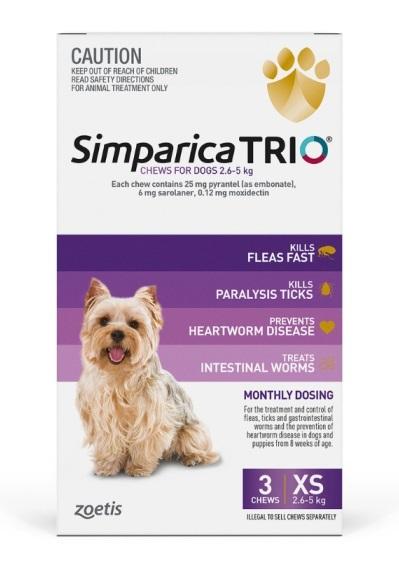
Simparica Trio is a prescription veterinary medication used in dogs for the prevention and treatment of several parasitic conditions. In the United States, it is indicated for dogs and puppies meeting specific age and weight requirements. Its active ingredients address fleas, ticks, heartworm disease, and certain intestinal parasites.
Understanding Simparica Trio involves examining its approved uses, active ingredients, administration requirements, potential adverse reactions, and precautions. Veterinary guidance is important because parasite exposure, medical history, age, and body weight can differ considerably among individual dogs.
What Is Simparica Trio?
Simparica Trio is an oral, monthly medication containing three active ingredients: sarolaner, moxidectin, and pyrantel. Each ingredient has a different role in controlling particular parasites.
Sarolaner is an isoxazoline compound used against fleas and several tick species. Moxidectin is used to prevent heartworm disease and to control certain intestinal parasites. Pyrantel is active against specific intestinal roundworms and hookworms.
The medication is intended for dogs and puppies at least eight weeks of age and weighing at least 2.8 pounds under its U.S. labeling. Different tablet strengths correspond to different body-weight ranges.
Flea Control
One purpose of Simparica Trio is the treatment and prevention of flea infestations. The medication kills adult fleas and can help prevent continued infestation when administered according to its approved monthly schedule.
Fleas can cause itching and skin irritation. Some dogs can also develop flea allergy dermatitis, an allergic response to flea bites. Fleas may additionally contribute to the transmission of certain parasites.
Because flea eggs and immature stages can remain in the environment, managing an established infestation may involve measures beyond treatment of the dog itself.
Tick Control
Simparica Trio is also indicated for the treatment and control of several tick species. U.S. labeling includes black-legged ticks, American dog ticks, lone star ticks, brown dog ticks, and Gulf Coast ticks.
Tick exposure varies according to geographic location, season, outdoor activity, and local wildlife. Dogs living in different regions of the United States can therefore face different tick-related risks.
The medication's labeled tick indications specify the species covered by its approval. Other tick species or parasites may require different veterinary considerations.
Heartworm Disease Prevention
Another major use of Simparica Trio is the prevention of heartworm disease caused by Dirofilaria immitis. Heartworms are transmitted through mosquito bites and can cause serious disease in dogs.
The moxidectin component provides heartworm prevention when administered according to the prescribed schedule. Prevention is different from treatment of an established adult heartworm infection.
Veterinary professionals may recommend heartworm testing before starting a preventive program, particularly when a dog has an uncertain prevention history. Following the prescribed schedule is important because prevention medications are intended to interrupt the parasite's development before adult disease occurs.
Intestinal Parasites
Simparica Trio also provides treatment and control for certain intestinal parasites. Its approved indications include adult hookworms and roundworms affecting dogs.
These parasites can cause gastrointestinal problems and may be particularly significant in puppies. Some intestinal parasites can also have implications for human health, making appropriate parasite management relevant to both animal and household health.
The medication does not cover every type of intestinal parasite. Veterinary examination and diagnostic testing can help identify parasites that may require separate treatment.
Administration
Simparica Trio is administered orally once a month. The tablet strength is selected according to the dog's body weight.
The medication should be given according to veterinary instructions and current U.S. labeling. The prescribed schedule should not be changed without professional guidance.
If a dose is missed, the appropriate response depends on the timing and circumstances. A veterinarian can provide specific instructions rather than relying on a generalized dosing assumption.
Age and Weight Requirements
The U.S. labeling specifies that Simparica Trio can be used in dogs and puppies at least eight weeks old and weighing at least 2.8 pounds.
Weight is particularly important because the available tablet strengths are designed for defined weight ranges. Puppies can gain weight rapidly, so their current body weight may need to be reassessed periodically.
Veterinary professionals can determine the appropriate strength based on the dog's current weight and overall health.
Potential Adverse Reactions
Like other medications, Simparica Trio can cause adverse reactions. Reported reactions include vomiting, diarrhea, lethargy, and loss of appetite.
Because sarolaner belongs to the isoxazoline class, neurologic reactions are also an important consideration. The U.S. Food and Drug Administration has stated that isoxazoline-class products have been associated with neurologic adverse events such as muscle tremors, ataxia, and seizures. These events have been reported in some animals with and without previous seizure histories.
Dogs showing unusual, severe, or persistent symptoms after receiving the medication should be evaluated by a veterinarian.
Dogs With Existing Health Conditions
A dog's medical history can influence parasite-control decisions. Particular attention may be appropriate for dogs with previous neurological disorders or seizure histories because of the potential for neurologic adverse reactions associated with isoxazoline medications.
Pregnant, breeding, or lactating dogs may also require individualized veterinary consideration. The safety information for particular populations should be reviewed according to current labeling.
Importance of Veterinary Guidance
Simparica Trio is a prescription medication in the United States. A veterinarian can consider the dog's age, weight, medical history, geographic location, lifestyle, parasite exposure, and existing medications when determining whether it is appropriate.
Veterinary guidance can also help distinguish symptoms caused by parasites from unrelated medical conditions.
Final Considerations
Simparica Trio is a monthly oral medication containing sarolaner, moxidectin, and pyrantel. Its U.S. uses include flea and tick control, heartworm disease prevention, and treatment or control of specified intestinal parasites in eligible dogs.
Its use involves weight-based dosing, regular administration, and consideration of potential adverse reactions. Dogs with particular medical histories may require additional veterinary assessment.
Current product labeling and professional veterinary advice provide the appropriate basis for determining whether Simparica Trio is suitable for an individual dog and how it should be administered.

 English