


Knitting Kits: Understanding What They Include and How They Are Used
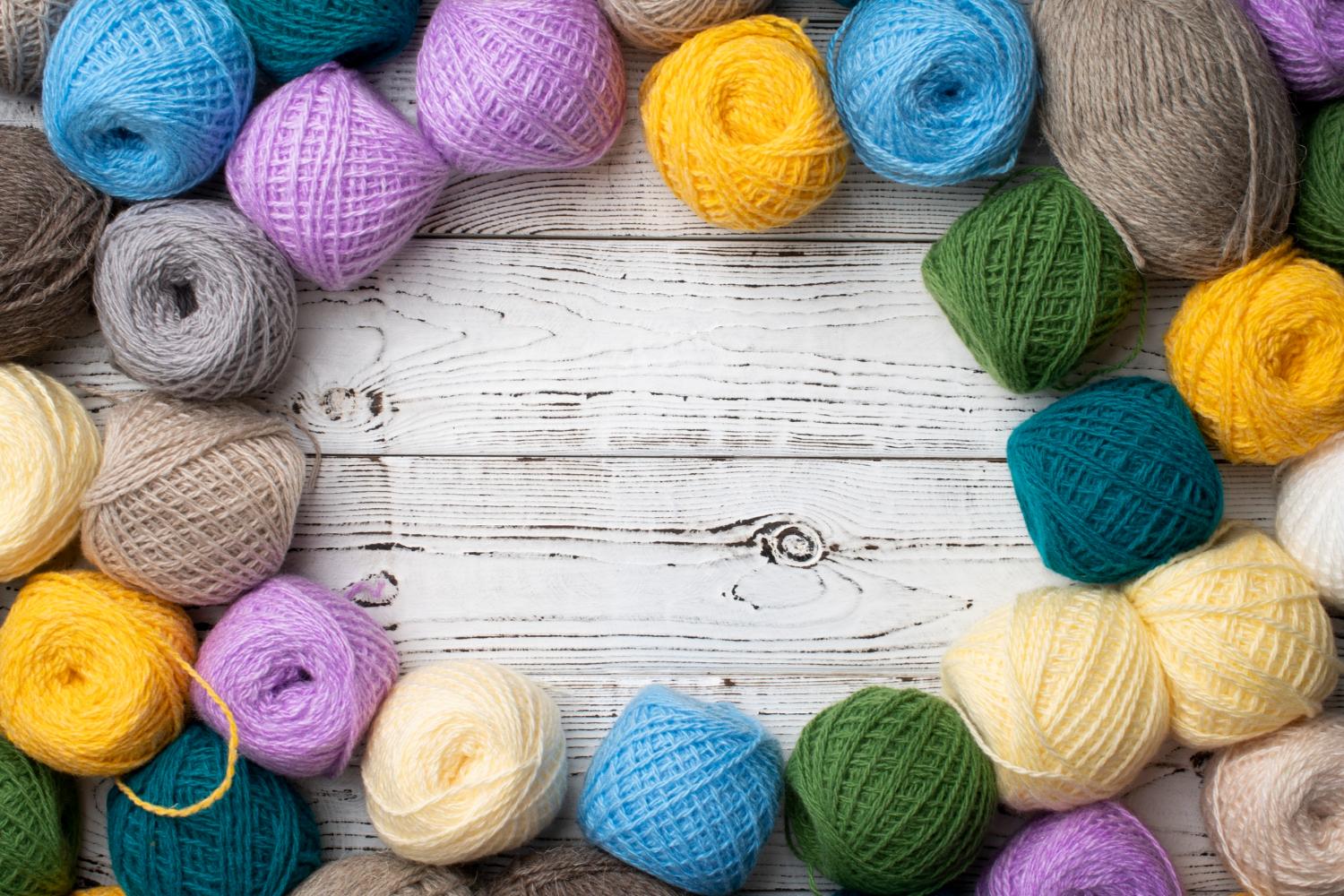
Knitting kits provide a convenient way to organize the materials and instructions needed for a specific knitting project. They are commonly assembled around a particular finished item, such as a scarf, hat, sweater, blanket, or decorative piece. Depending on the project, knitting kits may contain yarn, knitting needles, patterns, stitch markers, and other necessary supplies. Understanding the components and uses of knitting kits can help knitters determine what type of kit is appropriate for their experience and project requirements.
What Are Knitting Kits?
Knitting kits are collections of materials designed to support the completion of a particular knitting project. Rather than requiring a knitter to gather every component separately, a kit generally groups related supplies together.
The contents can vary significantly. A basic kit may include yarn and a printed knitting pattern, while a more comprehensive kit may also contain needles, buttons, stitch markers, a tapestry needle, or other accessories. Some kits are designed around a single finished object, while others may provide materials for creating several smaller projects.
The instructions included with a knitting kit usually explain the required techniques, stitch patterns, measurements, and finishing steps. The amount of yarn and other materials is generally selected according to the project's intended size.
Common Components of Knitting Kits
Yarn is one of the primary components found in knitting kits. The type and quantity depend on the project. Yarn can differ by weight, fiber, texture, color, and construction, all of which influence the appearance and characteristics of the finished fabric.
Knitting needles may also be included. Their size and type depend on the pattern and yarn. Straight needles, circular needles, and double-pointed needles are used for different project constructions and knitting techniques.
A knitting pattern is another important component. It provides instructions for creating the project and may include information about gauge, sizing, stitch abbreviations, shaping, and finishing.
Some knitting kits include smaller accessories. Stitch markers can help identify sections of a project, while tapestry needles may be used for weaving in yarn ends or sewing knitted pieces together. Buttons and other decorative or functional components may be included when required by the design.
Knitting Kits for Beginners
Knitting kits can be structured for people who are learning the basic techniques of knitting. Beginner-oriented kits generally feature relatively straightforward projects and instructions.
A beginner may encounter fundamental skills such as casting on, knitting, purling, changing rows, binding off, and weaving in loose ends. Simple projects can allow these techniques to be practiced without requiring complicated shaping or intricate stitch combinations.
Clear instructions are particularly important for new knitters. A well-organized pattern can explain abbreviations and provide information about stitch counts, gauge, and finishing methods.
Knitting Kits for Experienced Knitters
Knitting kits are not limited to beginners. More advanced kits can involve detailed patterns and specialized techniques. Projects may include complex sweaters, lace designs, cable patterns, colorwork, socks, or other intricate items.
Experienced knitters may use kits to work on projects that require particular yarn quantities, multiple colors, or specific accessories. Advanced patterns can require careful attention to stitch counts, shaping, and repeated sections.
The complexity of a kit generally depends on the intended project rather than the number of materials included.
Choosing the Appropriate Knitting Kit
When evaluating knitting kits, the intended finished item is one of the first considerations. A person interested in making a wearable garment may need a kit with different materials and instructions than someone creating a small accessory.
Skill level is another important factor. A kit containing advanced techniques may be difficult for someone who has only recently learned basic stitches. Conversely, a highly experienced knitter may prefer a pattern that introduces more complex construction or stitch work.
The yarn specifications should also be examined. Yarn weight, fiber content, color, and care requirements can influence the final fabric. The required needle size should correspond with the yarn and pattern instructions.
Gauge information is especially relevant when a project has precise dimensions. Checking gauge before beginning can help determine whether the chosen needles produce the expected fabric.
Understanding Knitting Kit Instructions
Following the instructions is an important part of completing a knitting kit. The knitter generally begins by reviewing the entire pattern rather than starting immediately with the first step.
Patterns often use abbreviations to keep instructions concise. They may also include charts, diagrams, or repeated sequences. Understanding these elements before knitting can reduce errors.
Keeping track of rows and rounds can be useful for projects with multiple stages. Stitch markers may help separate pattern repeats or identify important construction points.
Benefits of Organized Materials
One practical characteristic of knitting kits is that related materials are grouped around one project. This can make it easier to identify what is required before work begins.
Kits can also provide a defined starting point for project planning. Instead of determining the yarn quantity, colors, and pattern separately, the knitter can review the supplied specifications and instructions as a single project.
However, the completeness of knitting kits varies. Some contain nearly everything required, while others expect the knitter to provide needles or basic tools separately. Reading the contents list is therefore important before beginning.
Conclusion
Knitting kits bring together materials and instructions for completing specific knitting projects. Their contents may include yarn, patterns, needles, and accessories, depending on the design and intended skill level. Beginner kits often focus on fundamental techniques, while advanced kits can involve complex patterns and construction methods. By considering the project type, skill level, yarn specifications, gauge, and included materials, knitters can better understand how a particular kit is intended to be used. Knitting kits ultimately provide an organized framework for approaching individual knitting projects from preparation through completion.

 Turkish