


When Is an Older Boat a Better Purchase Than a Newer One?
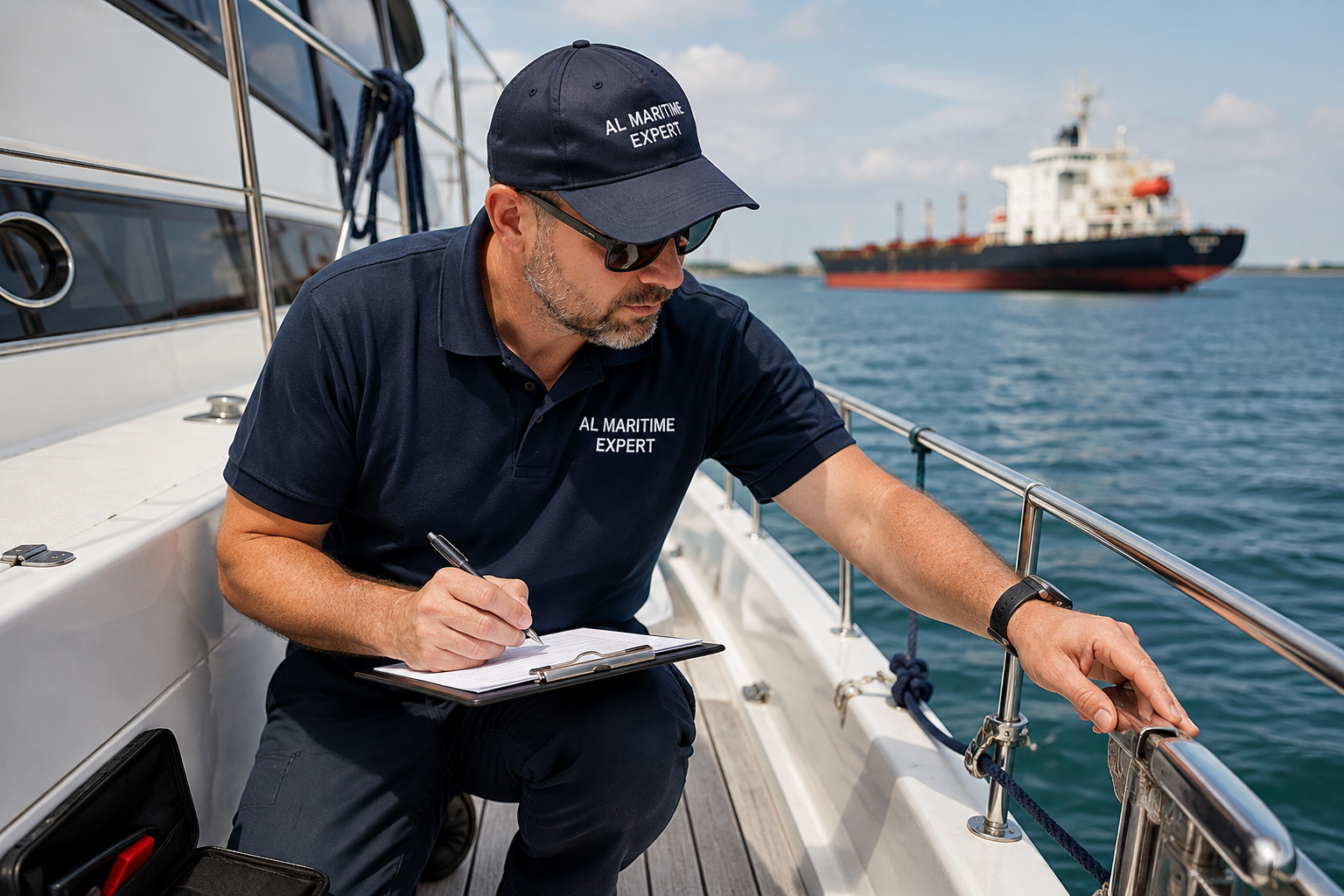
Choosing between an older boat and a newer model is not always as straightforward as comparing prices and production years. A newer vessel may offer updated electronics, modern design features, and less time in service. An older boat, however, may provide better value if it has been maintained carefully, has a suitable layout, and meets the buyer’s needs without requiring substantial immediate investment.
The right choice depends on more than age alone. Construction quality, maintenance history, operating conditions, equipment, previous repairs, and expected ownership costs all influence whether a particular boat represents a sensible purchase. Buyers who evaluate these factors carefully can avoid paying a premium for newer features they may not need or overlooking an older vessel that deserves consideration.
Why Vessel Age Does Not Tell the Whole Story
When comparing boats, vessel age provides useful context, but it does not establish the condition or remaining service life of a particular boat. Two vessels built in the same year may have very different histories. One may have received regular maintenance, appropriate storage, and timely repairs, while the other may have experienced prolonged exposure, deferred servicing, or repeated mechanical problems.
A boat’s construction, operating environment, and usage patterns also matter. A vessel used frequently in demanding conditions may show different wear from one used occasionally and stored carefully. Neither usage pattern guarantees good or poor condition, so buyers need to consider the available evidence rather than rely on age as a shortcut.
The same principle applies to newer boats. A relatively recent model can still have defects, maintenance needs, or damage from previous use. Buyers should assess each vessel individually and distinguish between its advertised age and its actual condition.
When an Older Boat Offers Better Value
An older boat can be a worthwhile purchase when its condition, equipment, and price align with the buyer’s requirements. Some older vessels have practical layouts, features that remain useful, and construction characteristics that appeal to buyers who prioritize function over the latest styling.
The financial advantage may also be meaningful. An older boat can have a lower purchase price than a comparable newer model, leaving more of the budget available for maintenance, safety equipment, or upgrades. However, this advantage depends on the boat’s condition and the cost of any work required after purchase.
Buyers should compare the total expected investment rather than focusing only on the difference in asking prices. A lower-priced boat that needs major repairs may ultimately cost more than a newer vessel in better condition.
An older boat is most attractive when its advantages are supported by service records, a clear repair history, and a satisfactory assessment of its current condition.
Assess Construction Quality and Design
The quality of a boat’s construction can influence its durability, maintenance needs, and suitability for a particular purpose. Buyers may find older models with layouts, hull designs, or practical features that suit their needs better than newer alternatives.
Nevertheless, age and reputation should not replace a condition assessment. Materials can deteriorate, fittings can loosen, and structural components can be affected by water intrusion, corrosion, impact, or poorly completed repairs.
The relevant inspection points depend on the vessel’s construction. Fiberglass boats, aluminum vessels, steel boats, and wooden craft have different maintenance considerations. Buyers should pay attention to the condition of the hull, deck, transom, structural supports, fittings, and other accessible areas relevant to the design.
If an older boat has undergone substantial structural work, ask for repair documentation and determine whether further assessment is appropriate. A well-documented repair may be acceptable, but its significance depends on the original damage, the method used, and the current condition of the affected area.
Compare Maintenance History, Not Just Model Years
Maintenance history is one of the most useful sources of information when comparing an older boat with a newer one. Request available invoices, service logs, previous inspection reports, and documentation of major repairs for both vessels.
For powered boats, review the engine and propulsion system history. Look for records of routine servicing, cooling-system work, fuel-system maintenance, and major component replacements. Other relevant records may cover electrical installations, batteries, steering equipment, pumps, navigation electronics, and structural repairs.
A newer boat with incomplete maintenance documentation is not automatically a poor choice, just as an older boat with a thick folder of invoices is not automatically in excellent condition. The value of the records depends on their detail, relevance, and consistency with the vessel’s present state.
Ask whether any service recommendations remain outstanding. If a previous inspection identified a concern, find out whether it was addressed and request supporting evidence where available.
The aim is to understand how each boat has been cared for and what maintenance or repairs may be approaching, rather than simply counting the years since construction.
Consider Engine Condition and Operating Hours
Engine condition can significantly affect the financial comparison between an older and a newer boat. Replacing or repairing major propulsion components may be expensive, so buyers should examine the available service history and obtain further evaluation when necessary.
Engine hours can be useful, but they should not be interpreted in isolation. A lower reading does not guarantee that an engine is in better condition. Storage practices, maintenance, operating conditions, and periods of inactivity can all influence its present state.
An older boat with a documented engine overhaul may deserve consideration, but buyers should establish what the work included and whether the engine has operated satisfactorily since the repair. Similarly, a newer boat with relatively few hours may still require attention if it has not been maintained or stored appropriately.
If the mechanical history raises questions, consider a qualified marine mechanic’s assessment. Depending on the engine and circumstances, additional diagnostics or operational testing may help clarify its condition. A brief start-up alone cannot establish the state of every internal component.
Calculate the Total Cost of Ownership
The purchase price is only one part of the cost of owning a boat. Insurance, storage, fuel, routine servicing, repairs, registration, and replacement equipment can all influence the long-term financial commitment.
Older boats may have lower acquisition costs but require more frequent attention to aging components. Newer models may have fewer immediate maintenance needs, but they can still involve substantial insurance premiums, higher purchase costs, expensive electronics, or specialized replacement parts.
Create a realistic estimate for each vessel using its condition, equipment, intended use, and local operating costs. Separate known expenses from uncertain future repairs, and consider obtaining written estimates for significant work identified during an inspection.
It is also sensible to maintain a contingency reserve for unexpected problems. No age category eliminates repair risk, and even a well-maintained boat can develop faults during ownership.
The better purchase is the one whose expected costs fit the buyer’s budget while meeting practical needs, not necessarily the one with the lowest initial price.
Evaluate Electronics and Onboard Equipment
Newer boats may offer modern navigation systems, integrated displays, updated communications equipment, and other features that improve convenience. However, buyers should consider whether those features are necessary for their intended activities.
An older boat may have equipment that remains functional but lacks newer capabilities. Replacing selected components may be a reasonable option if the hull, mechanical systems, and general condition are satisfactory. Buyers should account for equipment costs, installation, compatibility, and any required wiring changes.
On the other hand, a newer boat should not be assumed to have fully operational equipment simply because its systems are more recent. Electronics can fail, software and charts may need updates, and installed equipment may not suit every use.
Check which items are included in the sale and whether they can be tested appropriately. Essential safety equipment should be evaluated separately from optional upgrades, and buyers should confirm the requirements that apply to the vessel and operating area.
A practical assessment of equipment can help determine whether the extra price of a newer model provides meaningful value.
Think About Intended Use and Future Plans
The right boat depends heavily on how it will be used. A vessel intended for occasional local outings may have different requirements from one used for extended cruising, fishing, offshore trips, or commercial activity.
Consider capacity, range, layout, handling characteristics, storage, and the availability of service providers familiar with the boat’s systems. An older model may suit the intended activities well, while a newer design may offer advantages in comfort, efficiency, or technology.
Future plans matter too. If the buyer expects to travel longer distances or use the boat more frequently, it is important to evaluate whether its systems, configuration, and condition are appropriate for that use. A boat that works well for short recreational trips may not meet the same requirements for more demanding operation.
Buyers should also think about how long they intend to keep the vessel. Expected resale value, future equipment needs, and access to replacement parts can influence the overall decision.
Understand Insurance and Resale Considerations
Insurance availability and cost can differ between older and newer vessels. Factors may include the boat’s type, condition, value, intended use, operating area, and the insurer’s requirements. Some insurers may request a survey or additional documentation before offering coverage.
Buyers should obtain insurance information for each boat before committing to a purchase. Do not assume that a newer vessel will always be easier to insure or that an older boat will automatically attract higher premiums. The actual terms depend on the individual vessel and policy.
Resale prospects also deserve consideration. Newer models may appeal to buyers seeking updated features, while certain older boats may retain interest because of their design, condition, or reputation. However, resale value depends on market demand, maintenance history, equipment, and overall condition as well as age.
Keep documentation of servicing and repairs during ownership. Clear records can help explain the boat’s history if it is sold later, regardless of when it was built.
Arrange an Independent Pre-Purchase Assessment
Before choosing between an older and a newer boat, consider arranging an appropriately scoped pre-purchase marine survey. An independent assessment can provide information about observable conditions and identify areas that may require further investigation.
Depending on the vessel and agreed scope, the survey may cover accessible hull and deck areas, visible structural components, machinery, electrical installations, and onboard equipment. The specific scope and limitations should be discussed before the inspection.
Older vessels may warrant particular attention to corrosion, material deterioration, previous repairs, and aging systems. Newer vessels may still require assessment for damage, installation issues, or defects that are not apparent from photographs or a brief viewing.
A general marine survey does not automatically include specialist engine diagnostics, destructive testing, or every operational test. Additional inspections may be appropriate when specific concerns arise.
No survey can guarantee that every defect will be found or predict all future maintenance costs. Its findings can, however, help buyers compare the two vessels using more reliable information and make a more informed decision.
Make the Choice Based on Condition and Value
An older boat can be a better purchase than a newer one when its condition is satisfactory, its maintenance history is credible, and its overall cost aligns with the buyer’s needs. A newer vessel may be preferable when its features, condition, and reduced need for immediate work justify the additional expense.
Neither age category guarantees reliability or value. Buyers should examine construction, maintenance records, mechanical condition, equipment, insurance, storage, and anticipated repair costs before making a decision.
By comparing the evidence rather than relying on model year or asking price alone, buyers can identify which vessel offers the most practical value. A careful inspection, realistic budget, and clear understanding of intended use provide a stronger foundation for the purchase than age by itself.

 Turkish